Omihachiman | 近江八幡

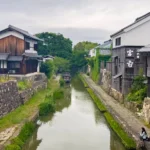

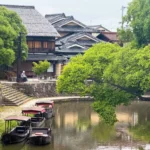
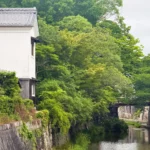
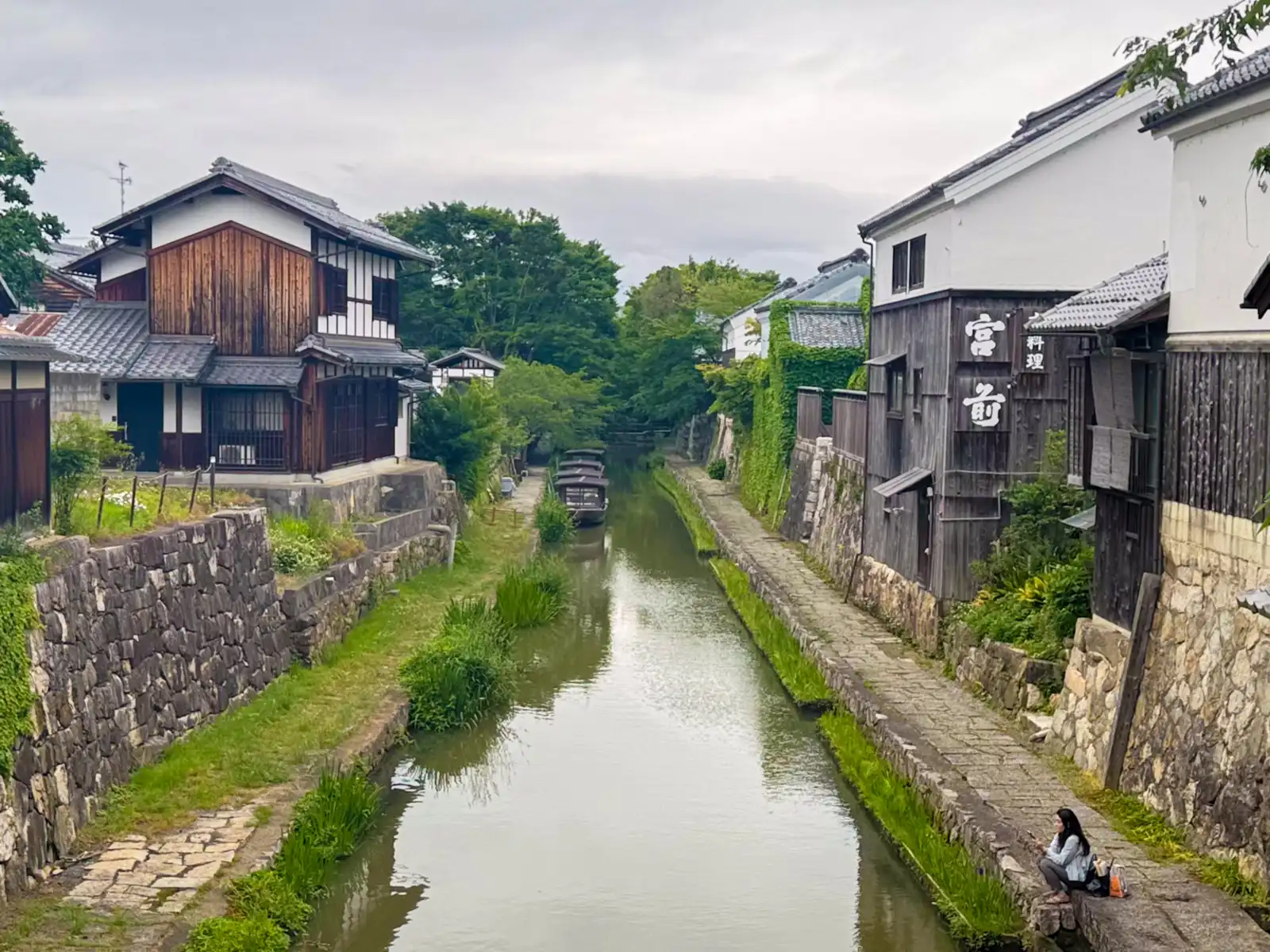
Hachiman-bori, Omihachiman. The canal was dug in 1585 as the castle moat and later used to move goods to and from Lake Biwa. The buildings along it are former merchant storehouses.
近江八幡の八幡堀。1585年に城の堀として造られ、後に琵琶湖との物資の運搬に使われるようになりました。水路沿いにある建物は、かつての商人の蔵です。
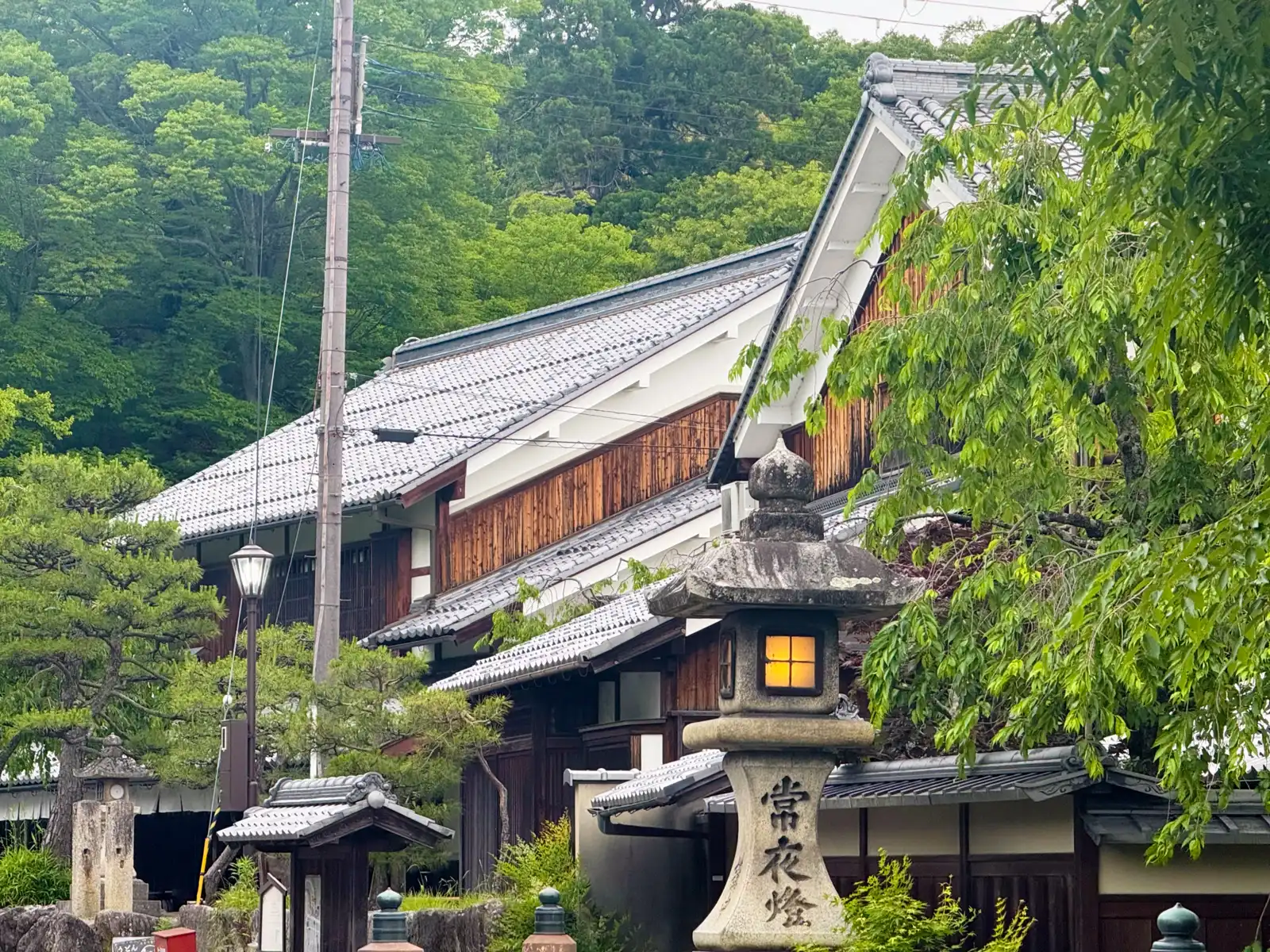
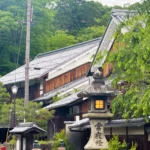
A stone night lantern in the old town, lit in front of a grand tiled-roof house.
旧市街の常夜燈。堂々とした瓦屋根の建物の前に灯がともる。
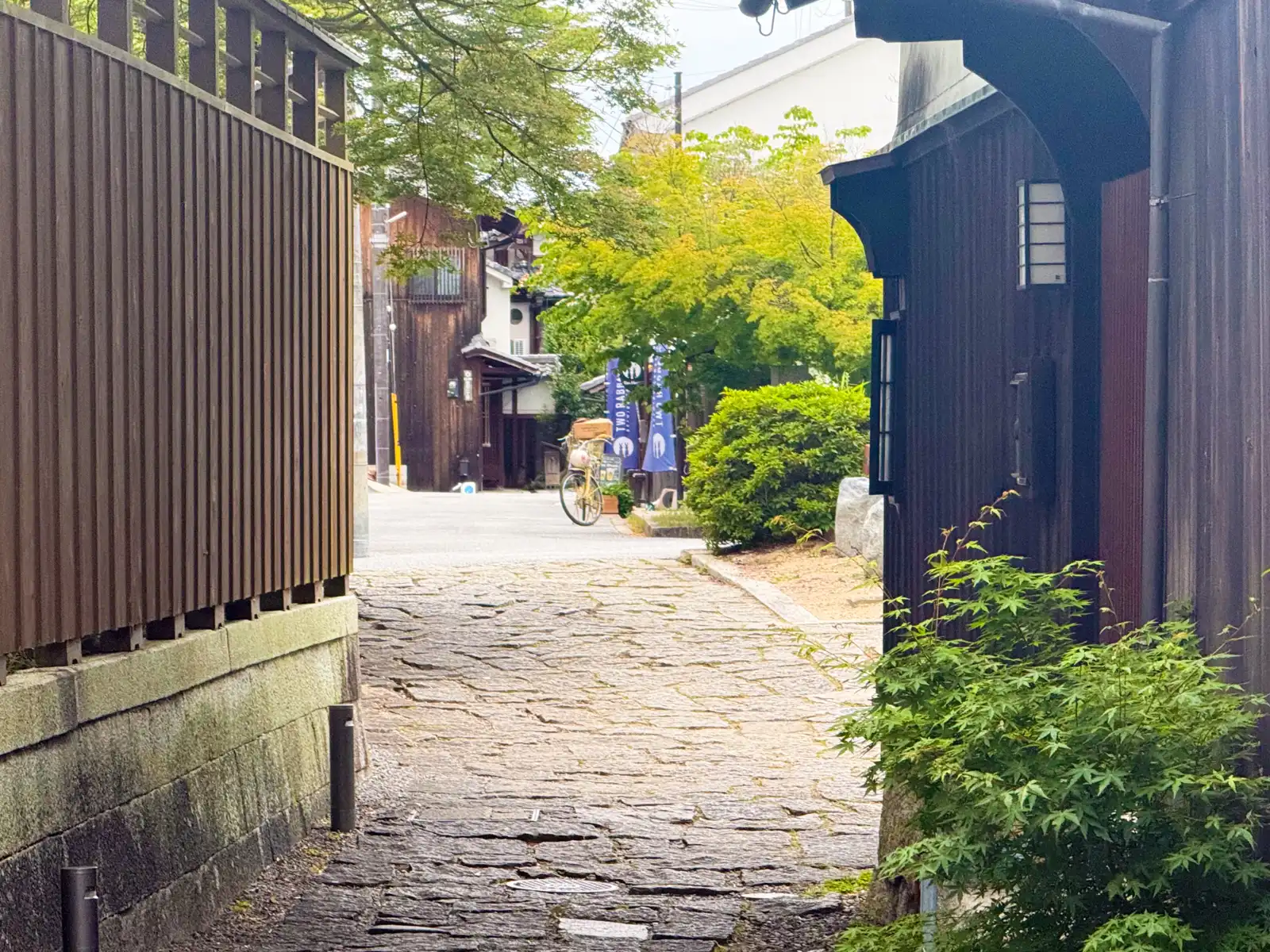
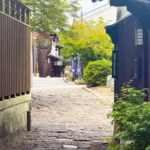
A stone-paved lane running between the old wooden buildings.
古い木造の建物の間を抜ける石畳の小路。
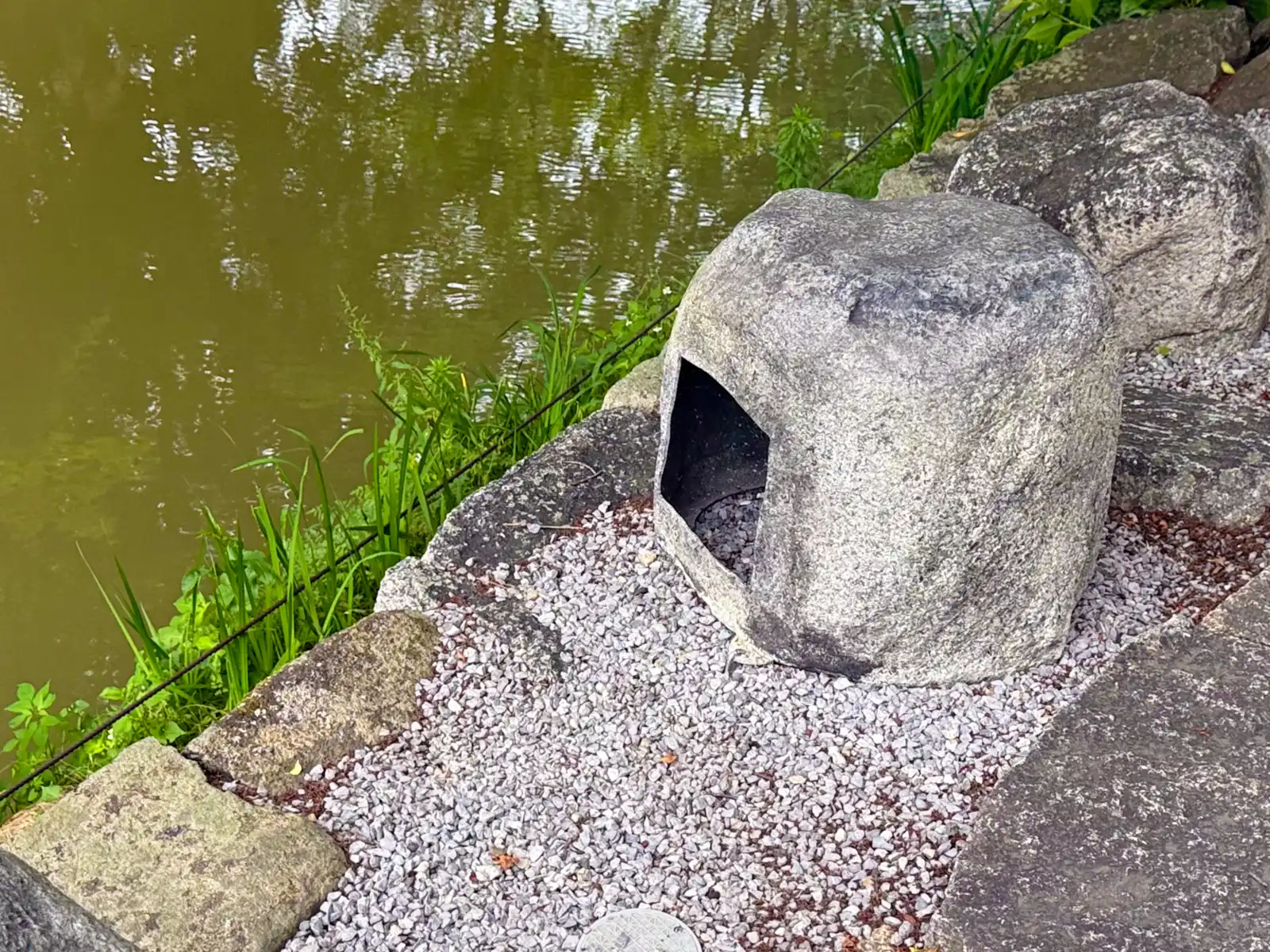
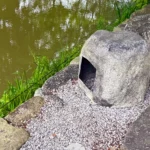
A stone-shaped lamp along the canal, with an opening for the light inside that comes on after dark.
八幡堀沿いに置かれた石を模した照明。中に明かりが入っていて、暗くなると穴から光がともる。
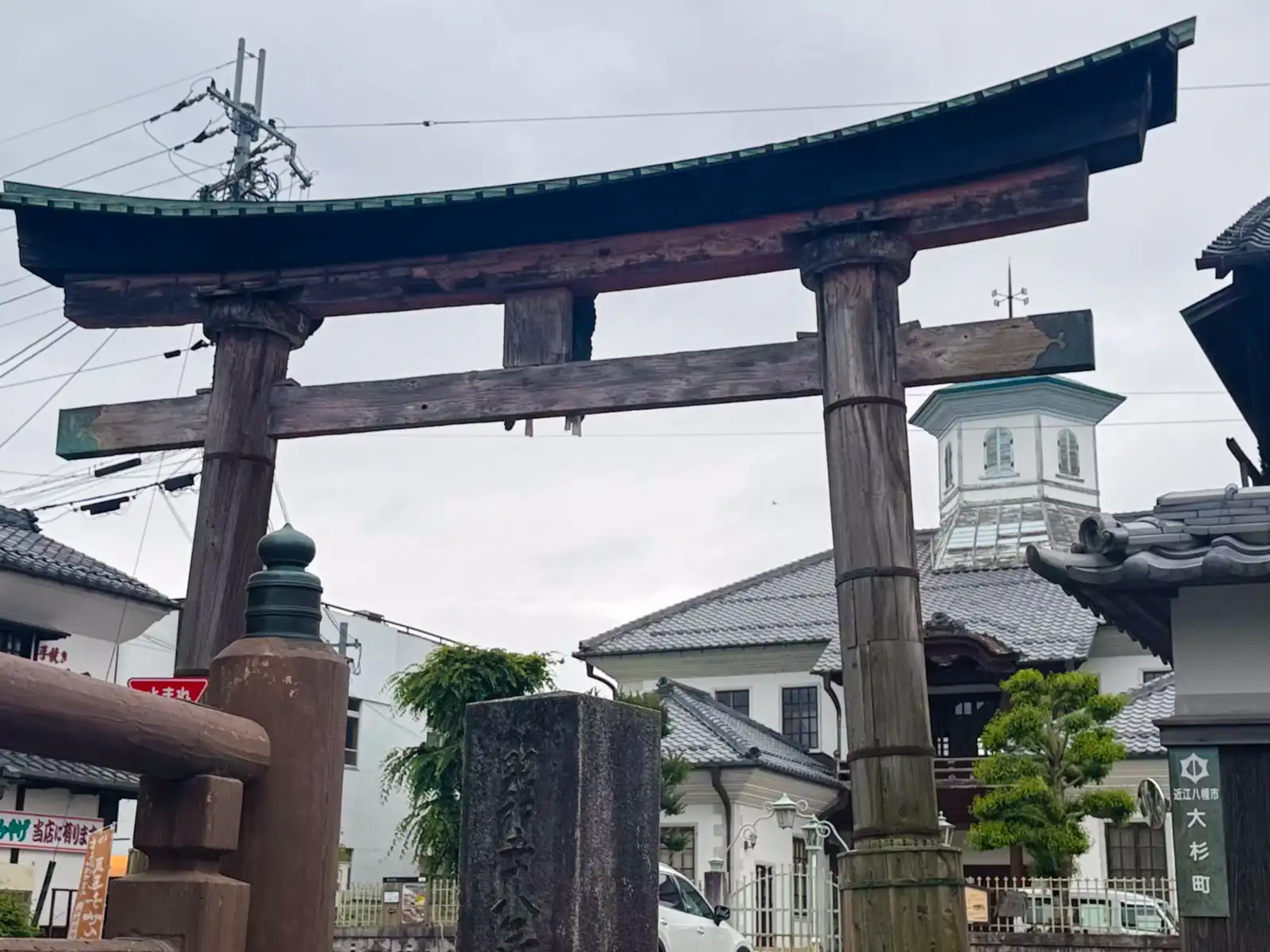
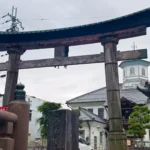
The wooden torii by the canal, with the white Meiji-era Haku’un-kan behind it — a former school, now the town’s tourist office.
堀端の木造の鳥居。奥に建つ白い洋館・白雲館は明治期の旧校舎で、現在は観光案内所として使われている。
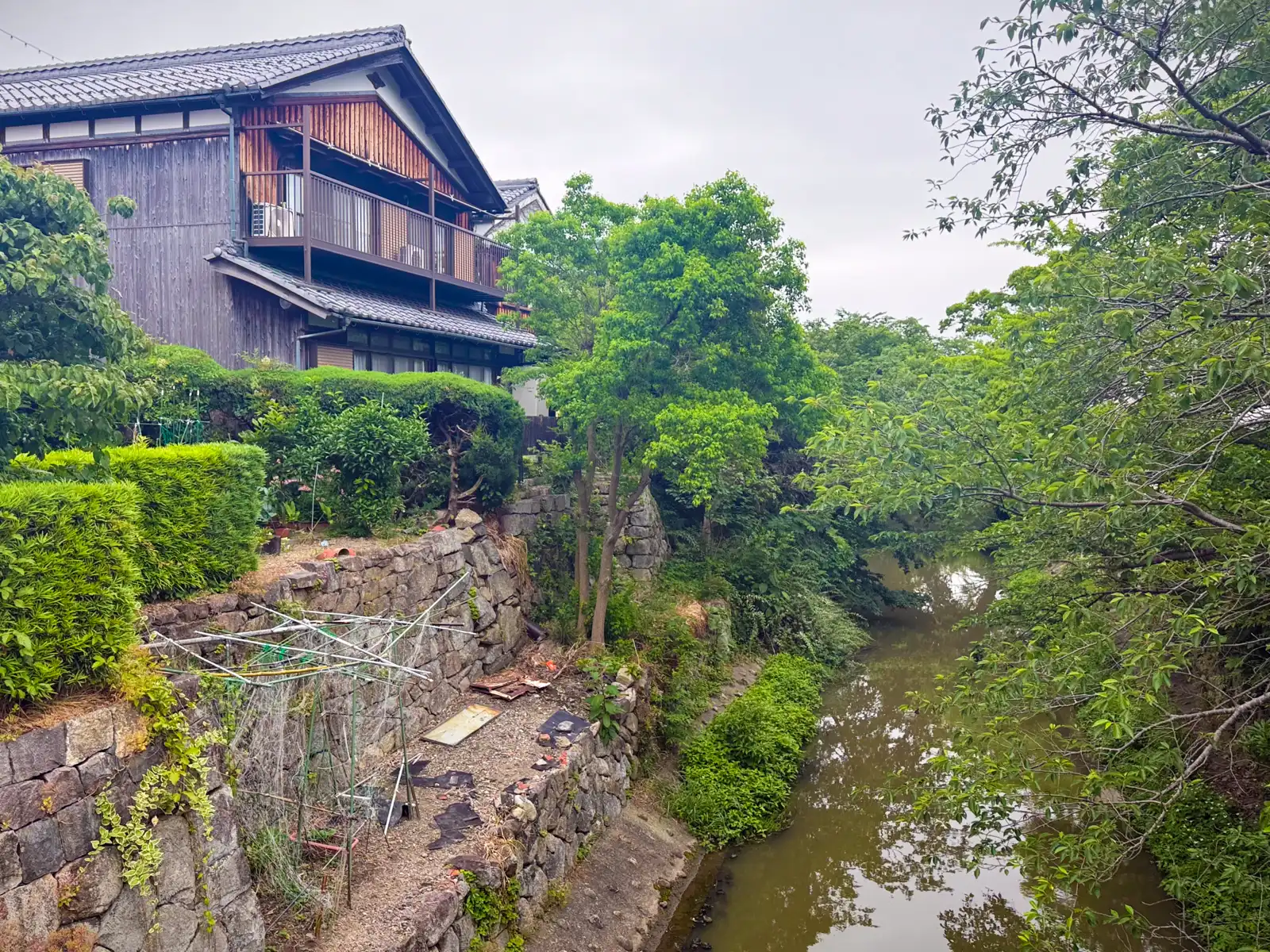
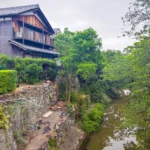
A quieter bend of Hachiman-bori, a house and garden above the old stone bank.
八幡堀の静かな一角。古い石垣の上に民家と庭がのぞく。
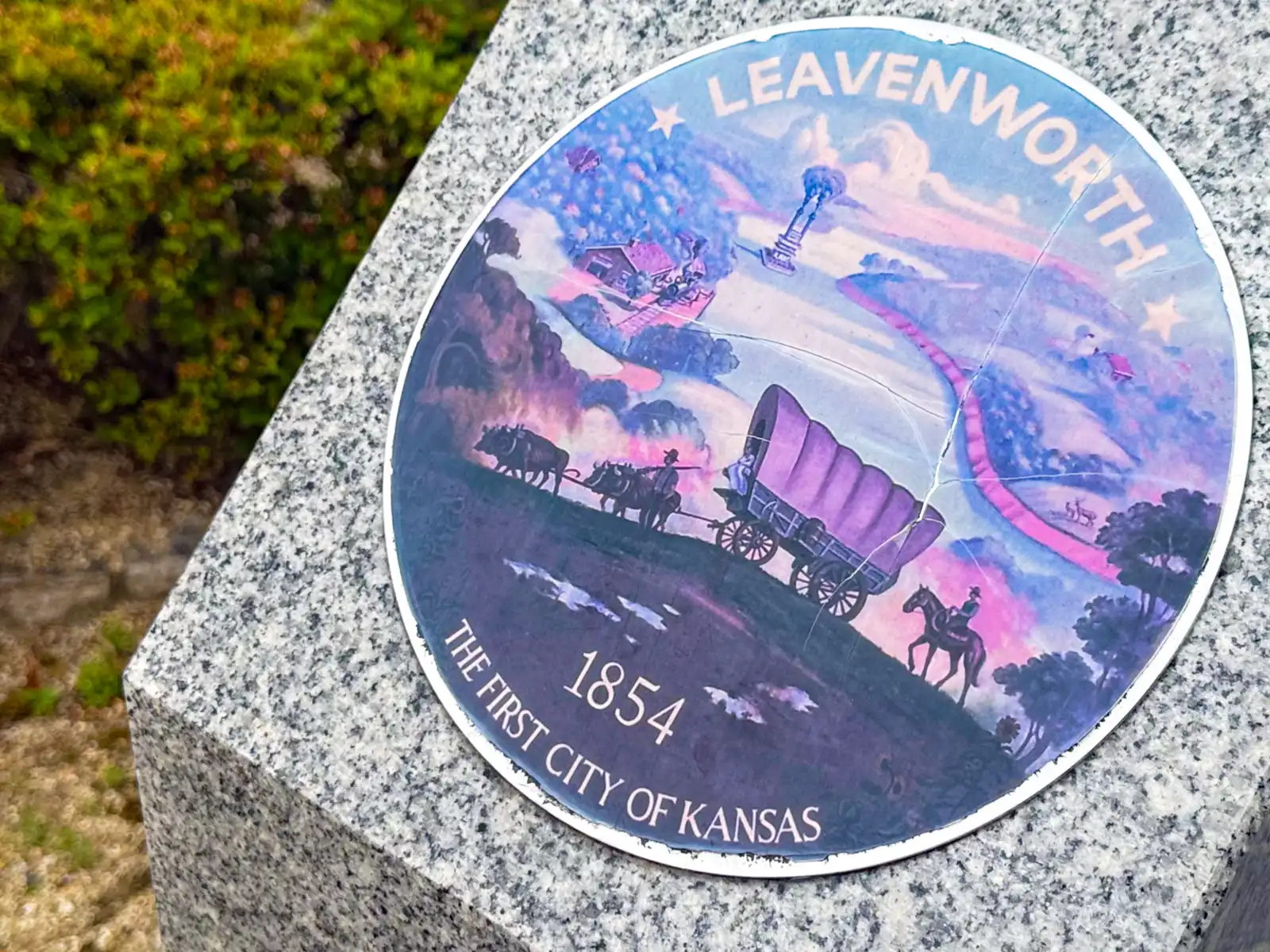
The seal of Leavenworth, Kansas — Vories’s hometown and now Omihachiman’s sister city — set into a stone marker.
ヴォーリズの故郷であり、現在は近江八幡の姉妹都市であるカンザス州レブンワース市の紋章。石碑にはめ込まれている。
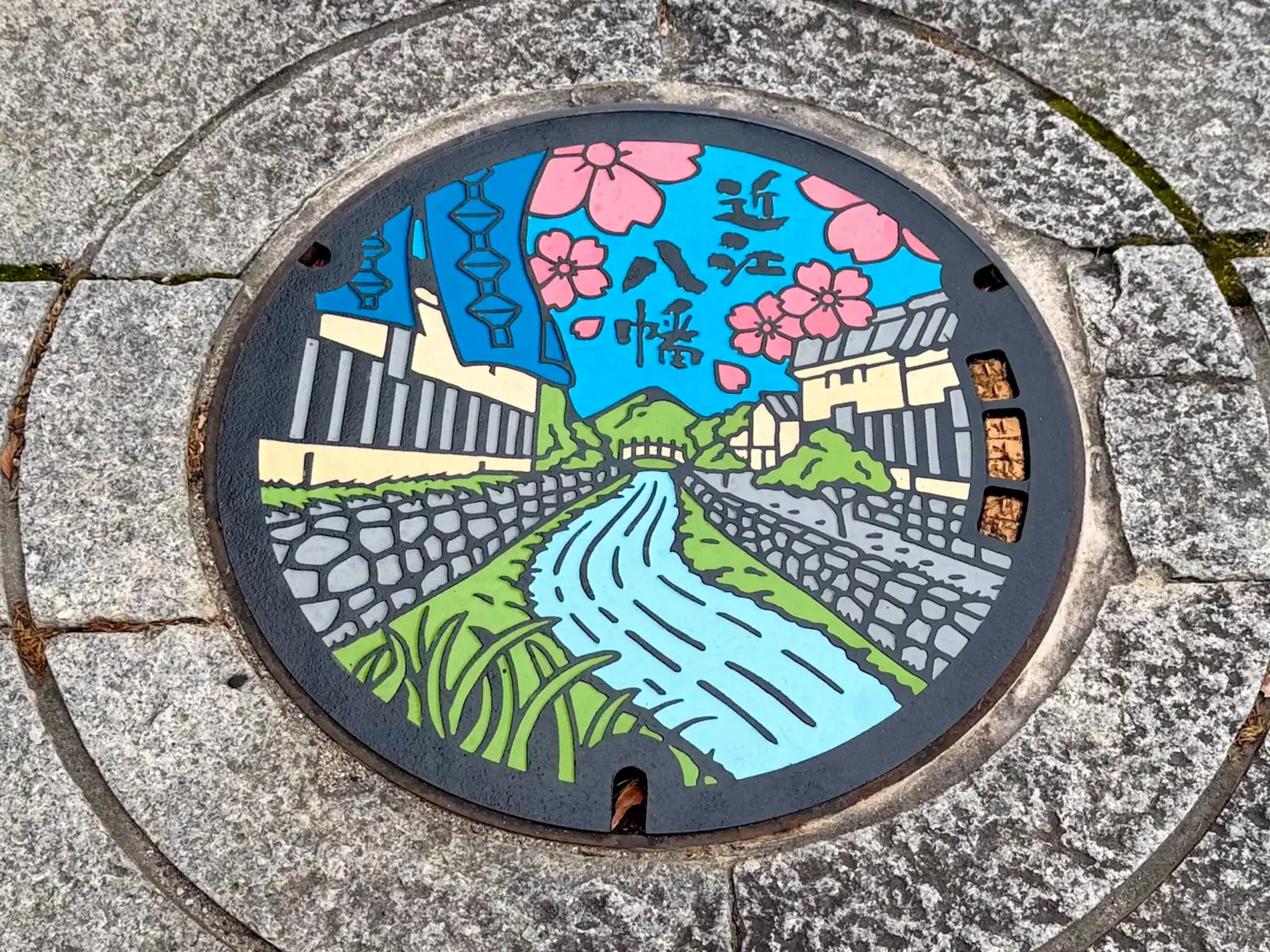
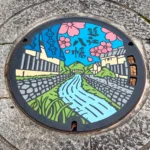
An Omihachiman manhole cover, decorated with the canal, its stone banks, and cherry blossoms.
近江八幡市のマンホールの蓋。八幡堀と石垣、桜があしらわれている。
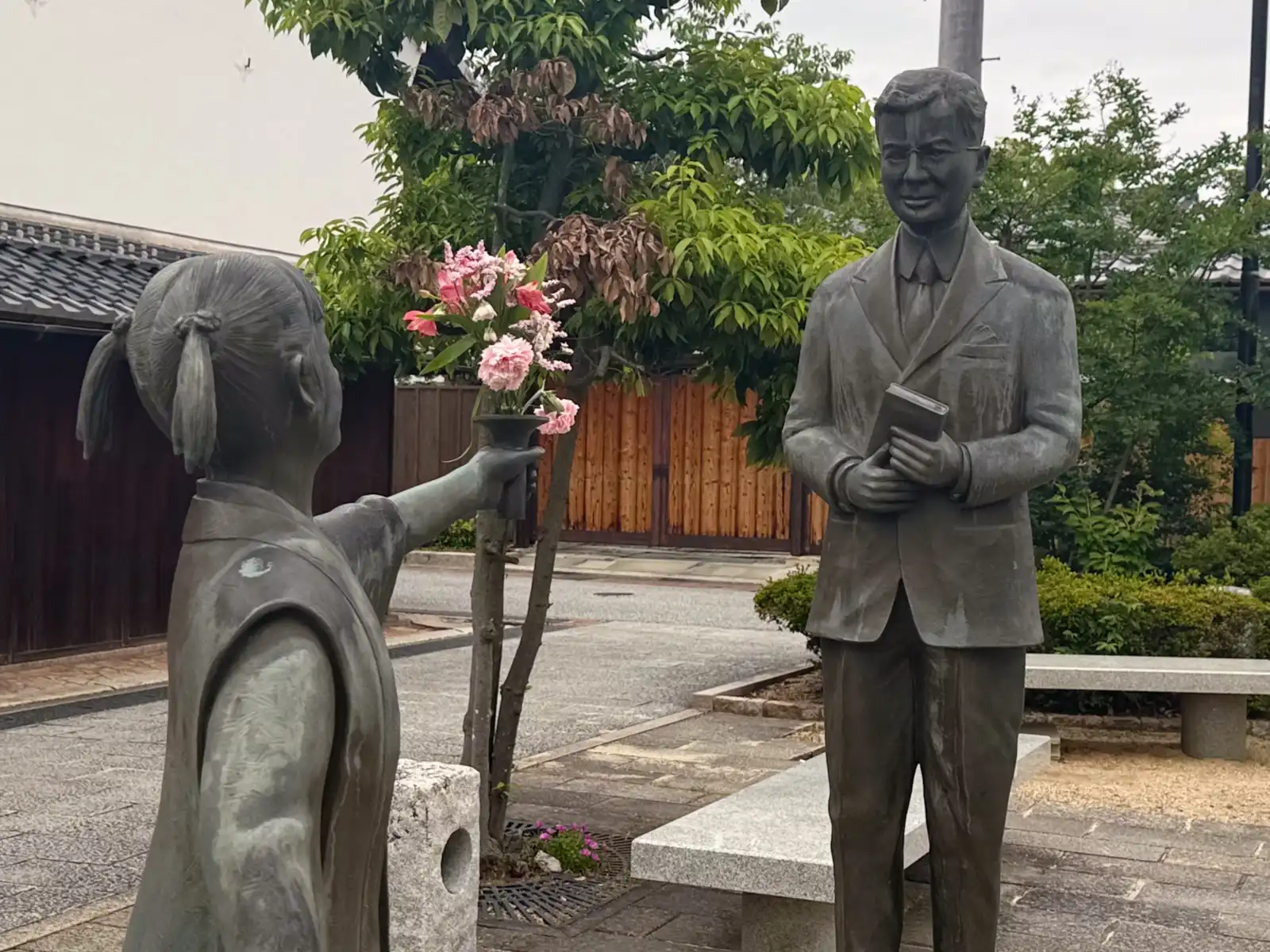
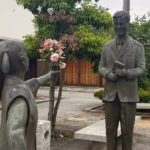
The Vories statue. Vories with a book, a girl holding out flowers. The bouquet is real, changed by locals.
ヴォーリズの銅像。本を持つヴォーリズと、花束を差し出す少女。花は本物で、地元の人々が活け替えている。
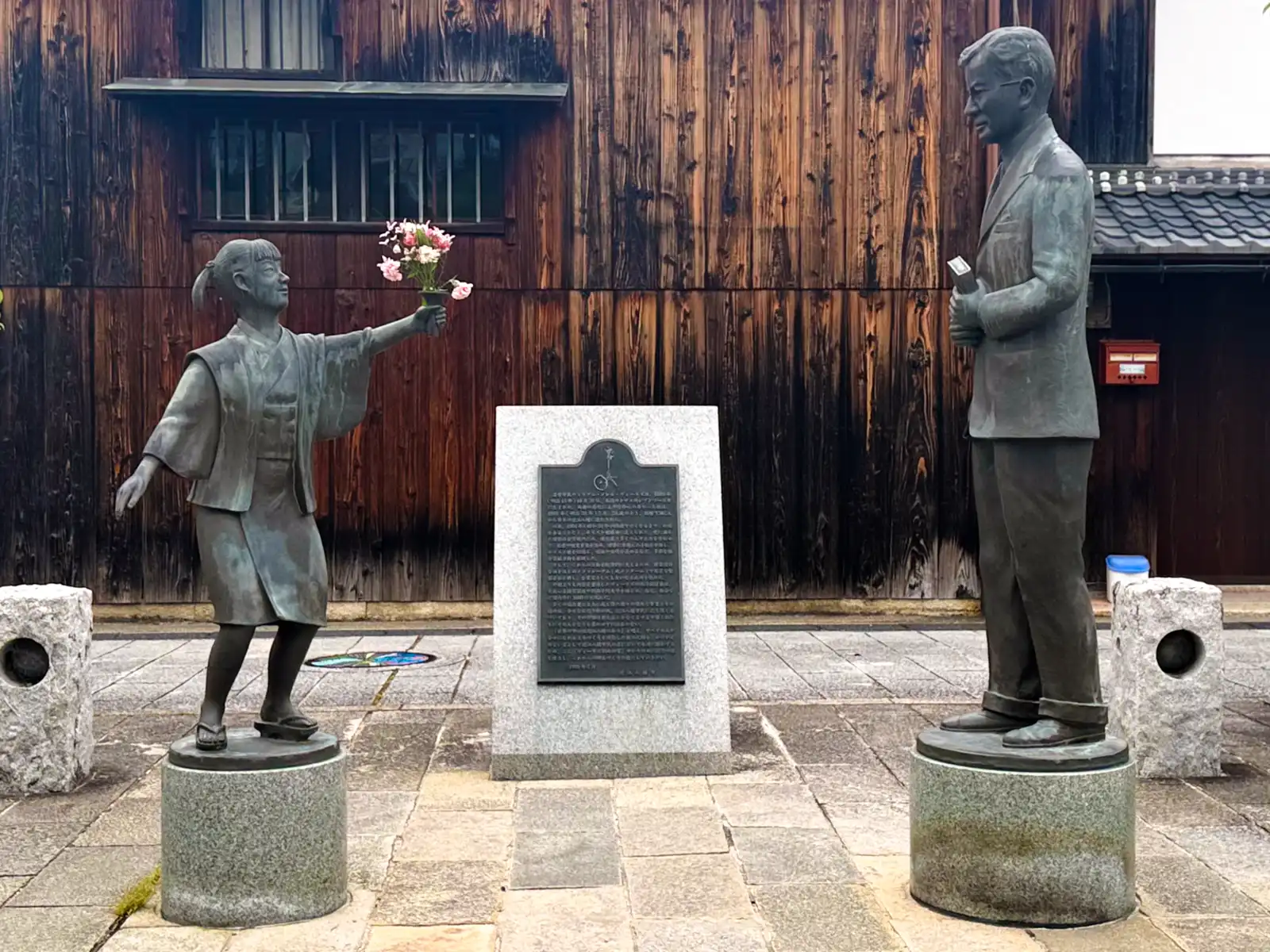
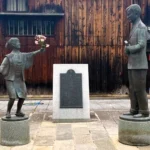
The two statues face each other across a plaque telling Vories’s story. Vories on the right, the girl with her flowers on the left.
向かい合う二体の銅像と、その間に立つヴォーリズの解説板。右がヴォーリズ、左が花束を持つ少女。
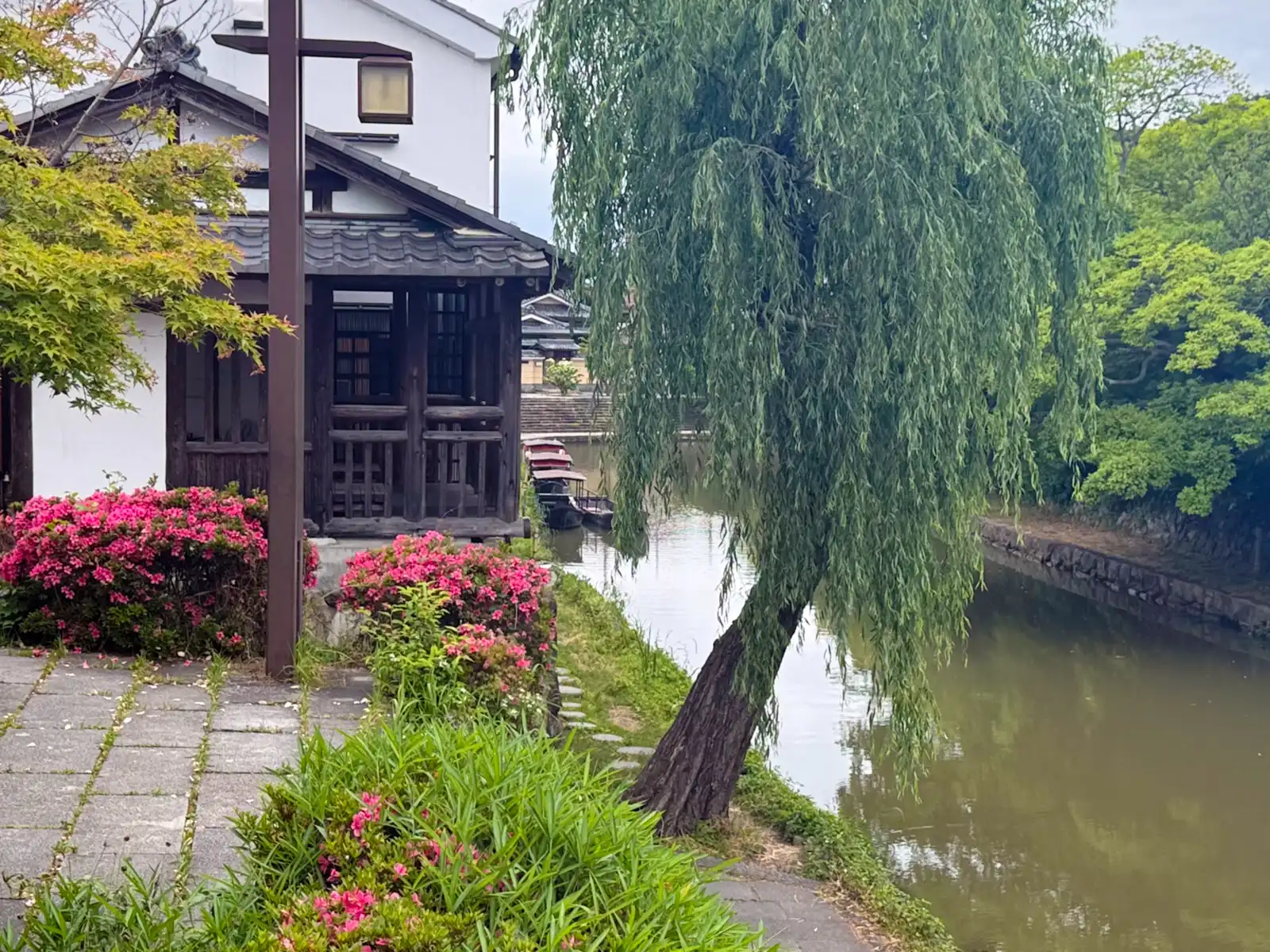
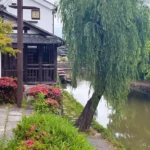
A willow leaning over the canal, with azaleas in bloom along the path and a boat moored beyond.
堀に枝を垂らす柳。小道沿いにはツツジが咲き、奥には小舟がつながれている。
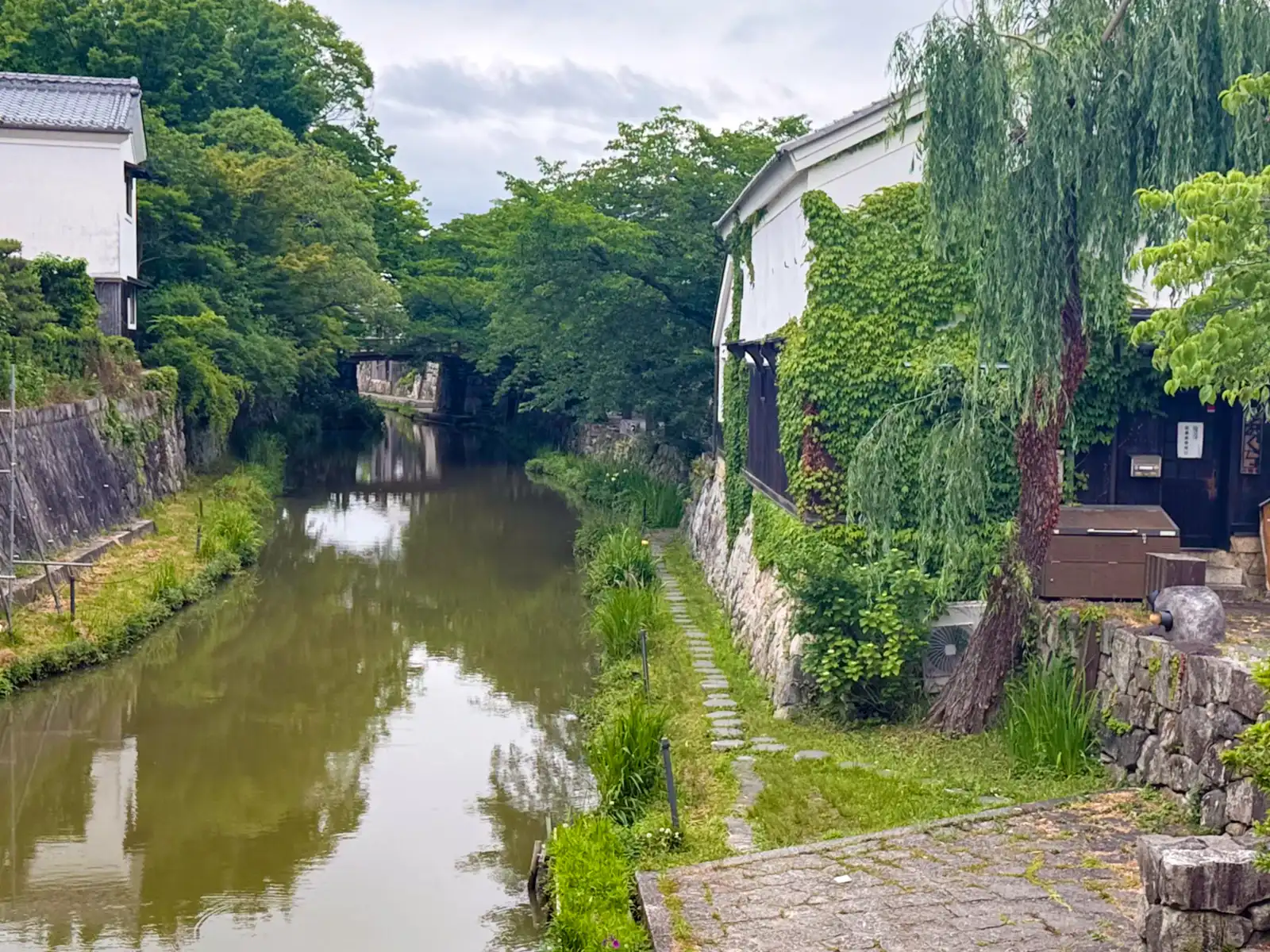
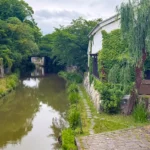
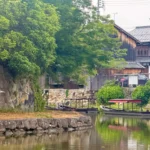
A view along Hachiman-bori: stone banks, ivy-covered storehouses, and an old bridge in the distance.
八幡堀の眺め。石垣と蔦に覆われた土蔵、その奥には古い橋が見える。
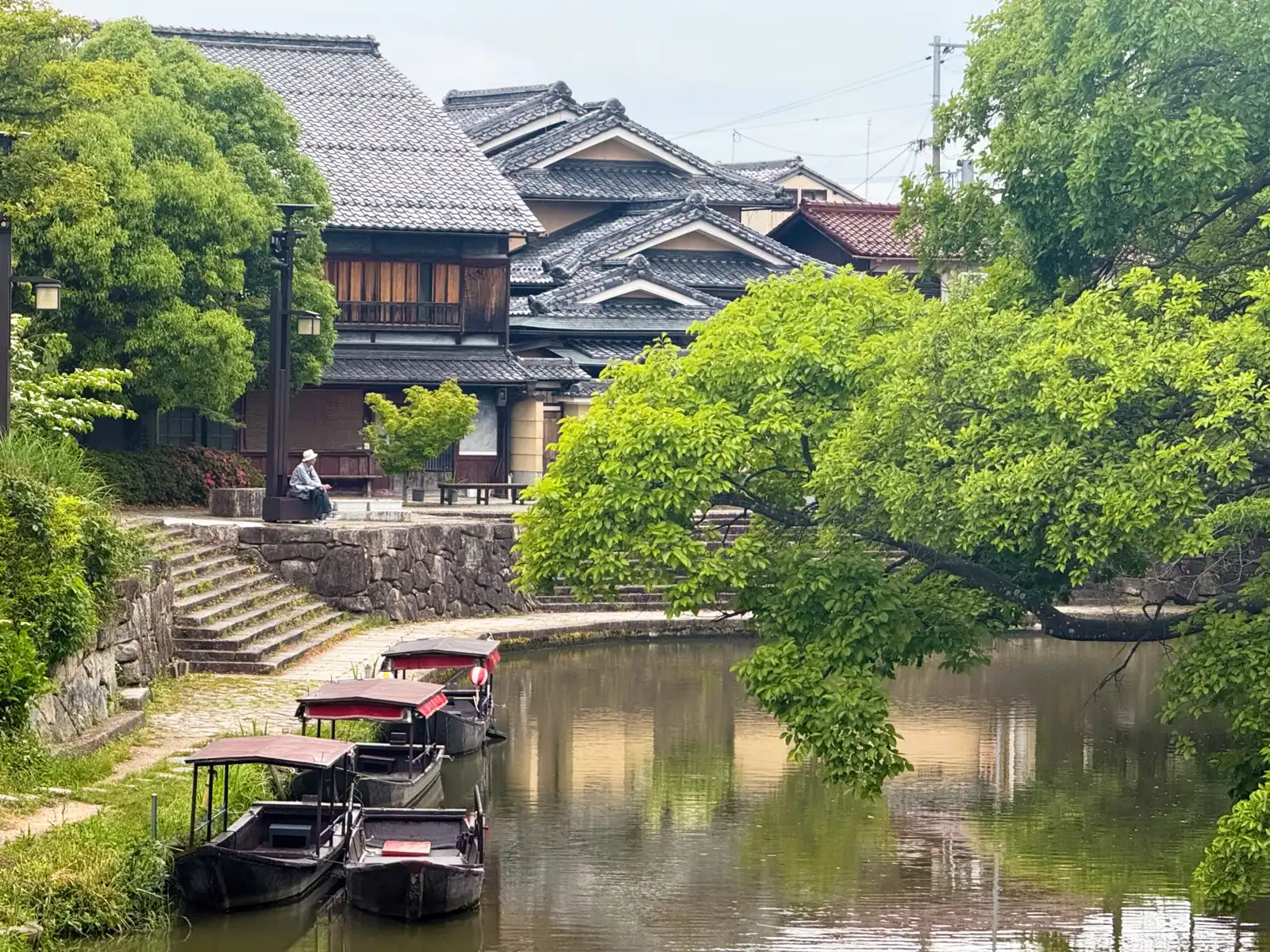
Tour boats moored along Hachiman-bori, with stone steps leading down to the water and old houses behind.
八幡堀につながれた観光船。水際へと続く石段と、その奥に古い町家が並ぶ。
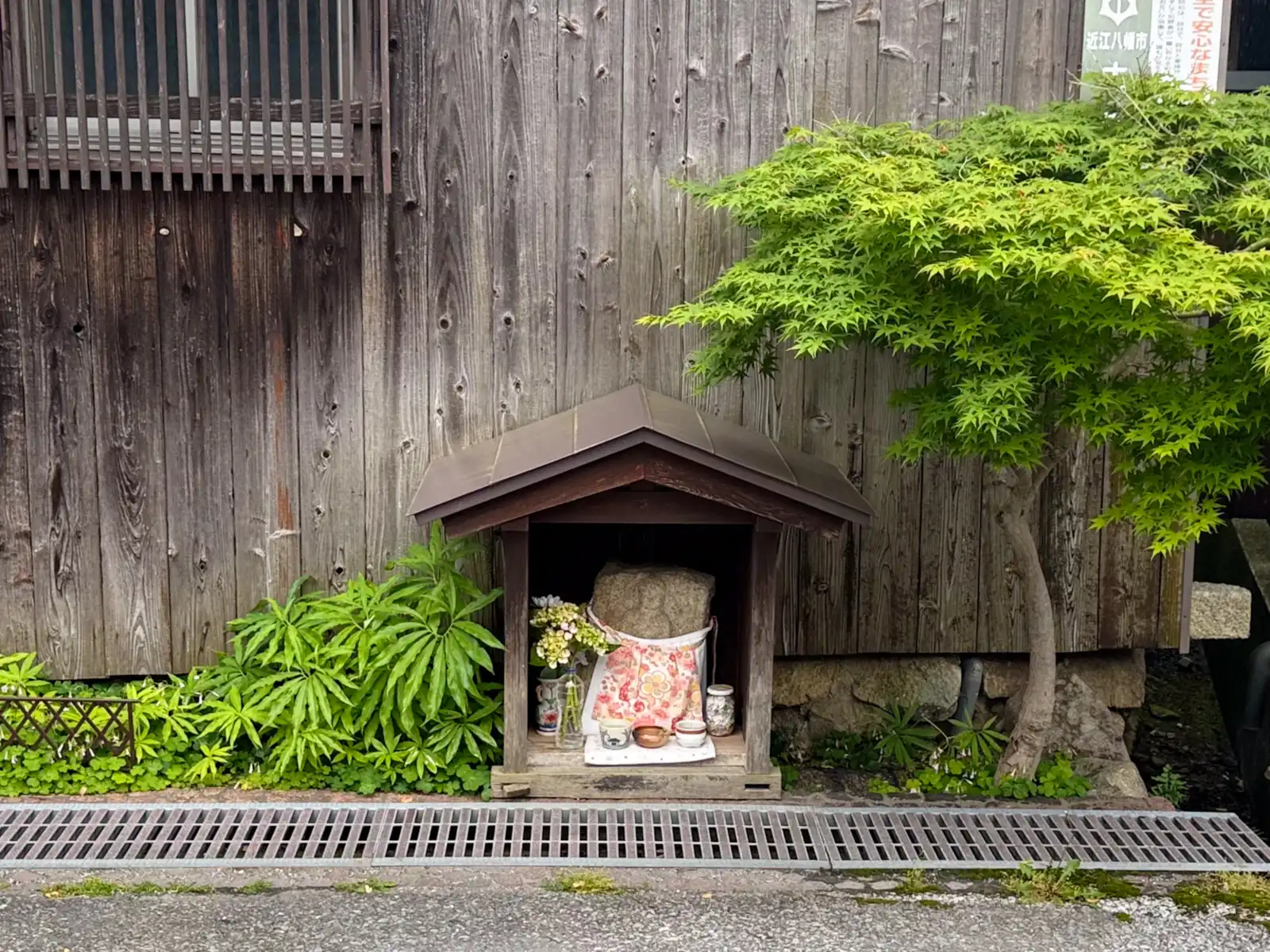
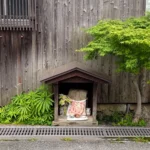
A small roadside Jizō tucked against a storehouse wall, with offerings of flowers and bowls.
土蔵の壁際にひっそりと佇むお地蔵さま。花や器が供えられている。
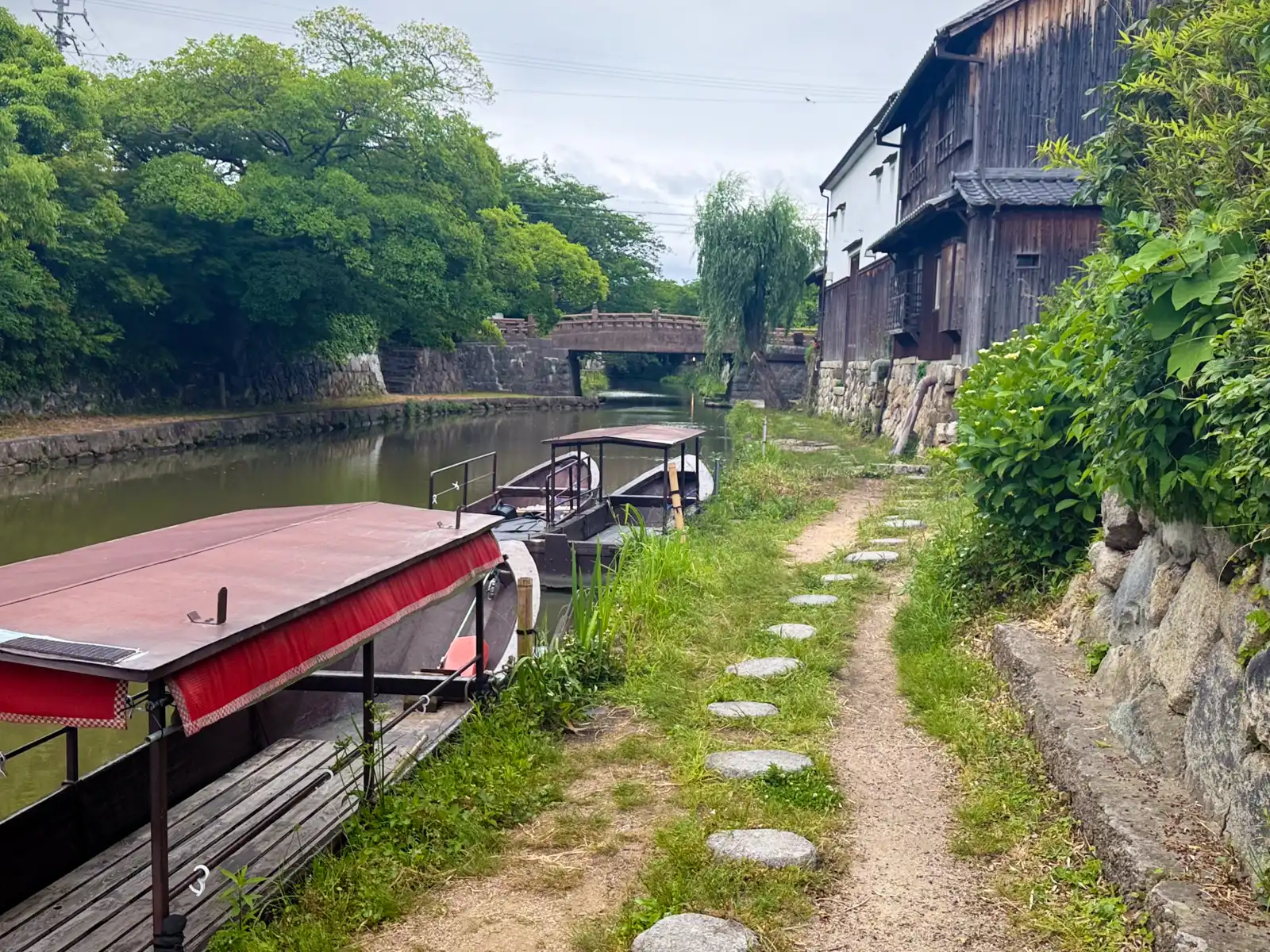
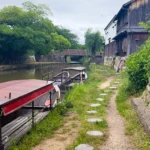
The stepping-stone towpath beside the canal, with boats moored and a stone bridge ahead.
堀沿いの飛び石の小道。舟がつながれ、その先には石橋が架かる。
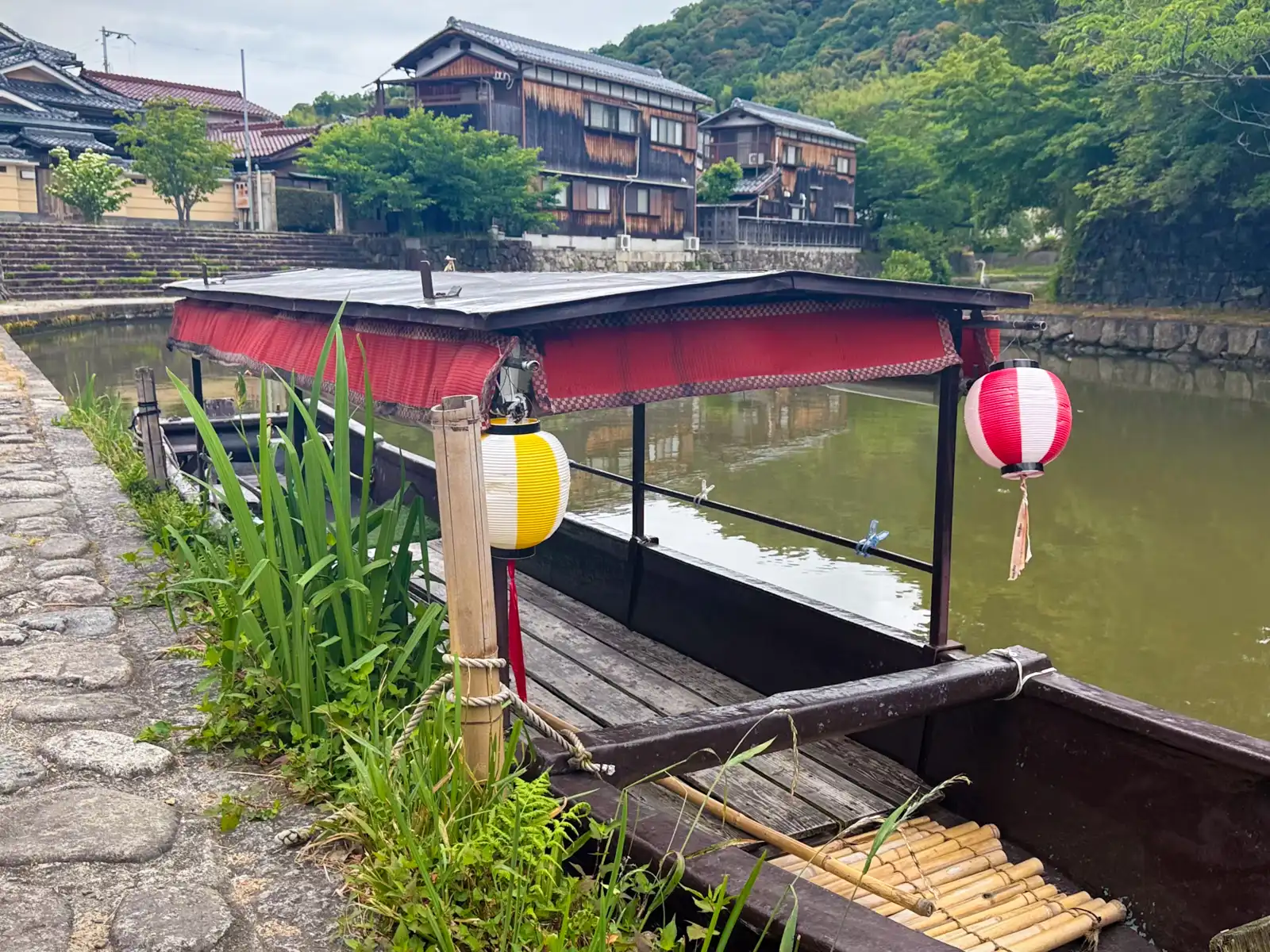
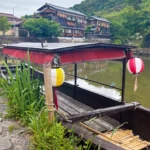
A moored canal boat with its red canopy and paper lanterns, ready for the next run.
赤い屋根と提灯をつけた屋形船が、次の運航を待ってつながれている。
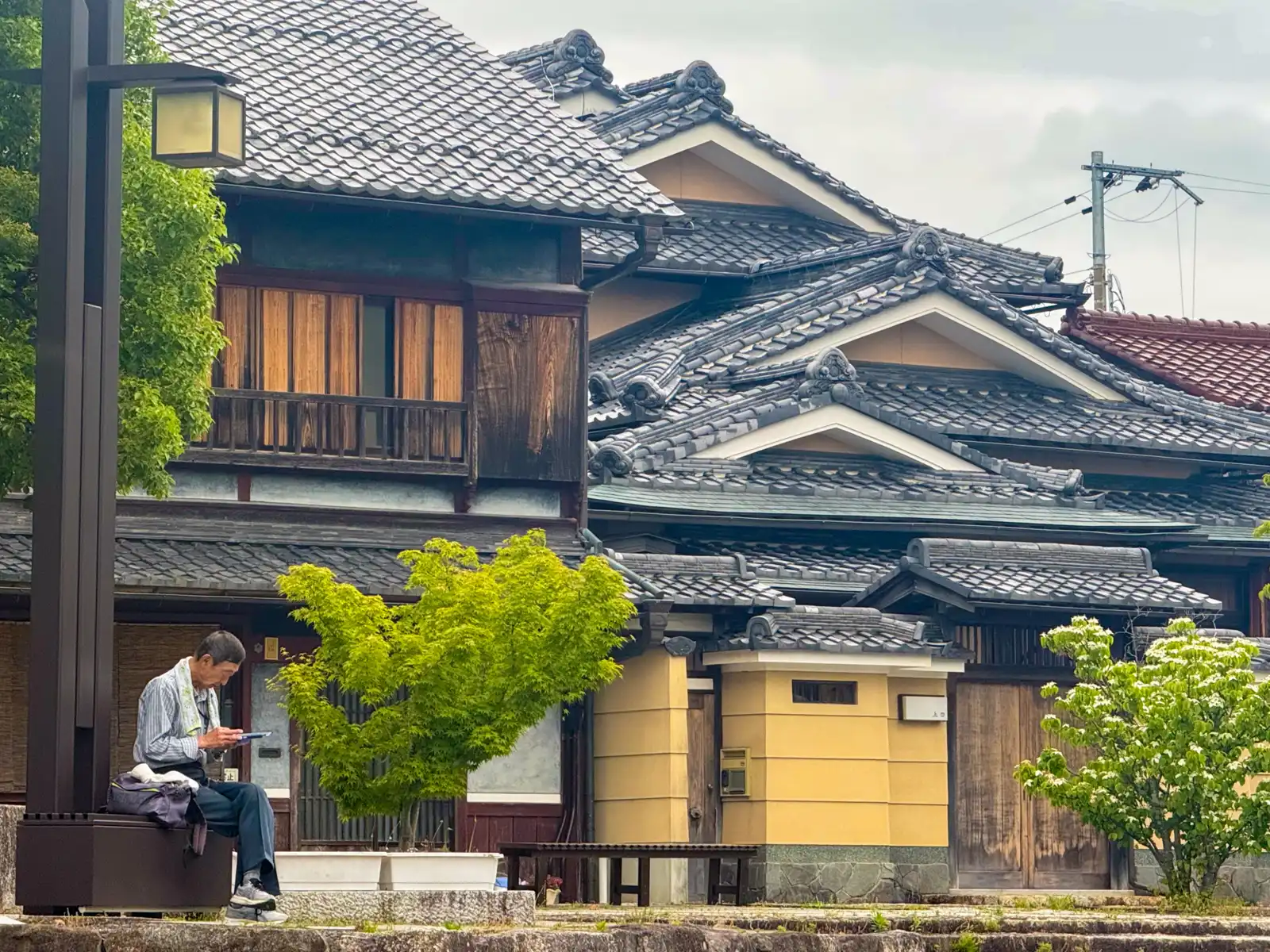
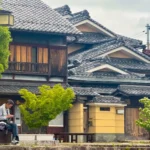
A man sits reading on a bench in front of a row of old tile-roofed houses.
瓦屋根の古い町家を背に、ベンチで本を読む人。
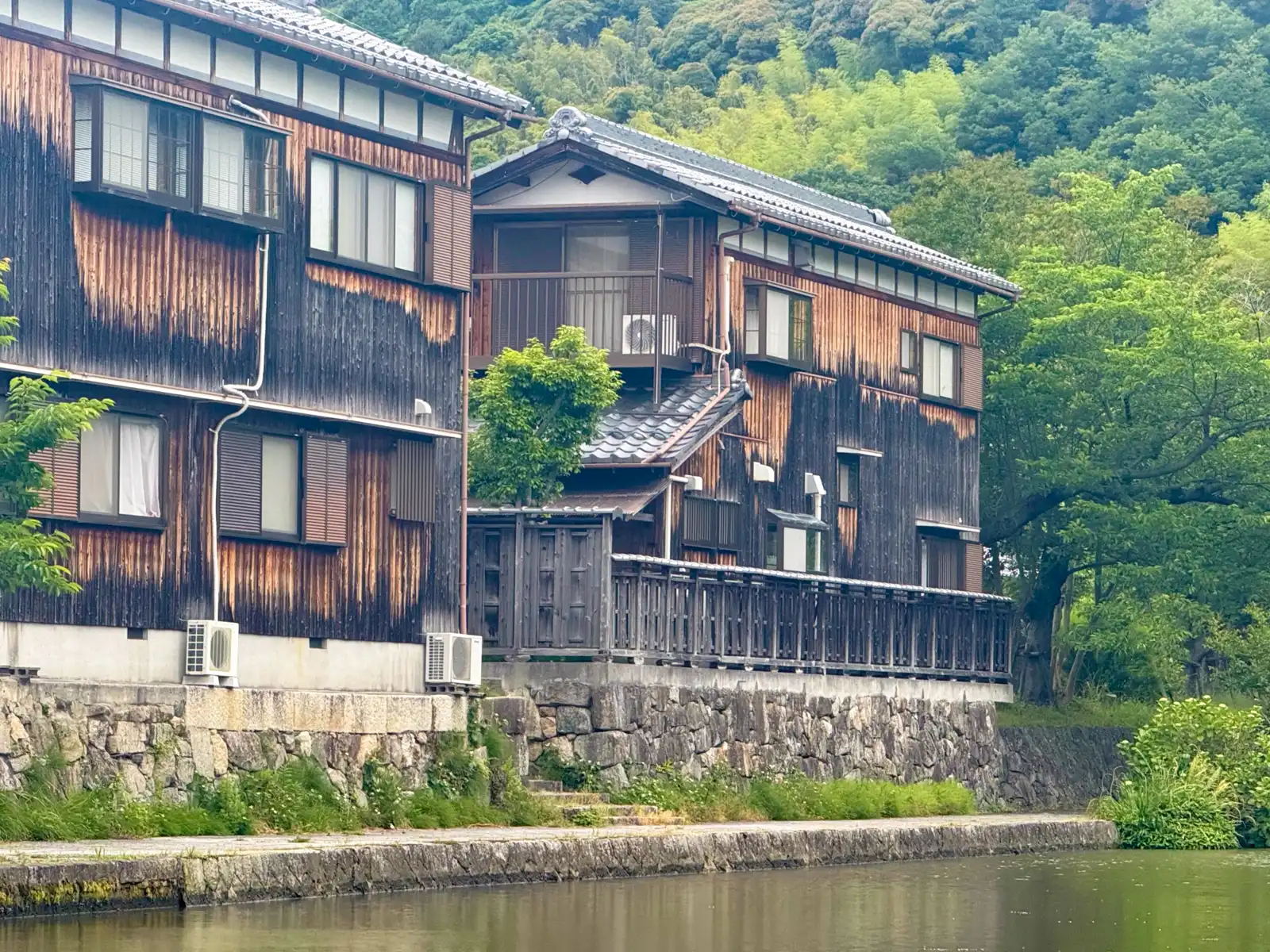
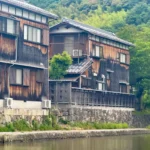
Old wooden houses rising straight from the canal’s stone embankment, the green hillside behind.
堀の石垣からそのまま立ち上がる木造の家並み。背後には緑の山。
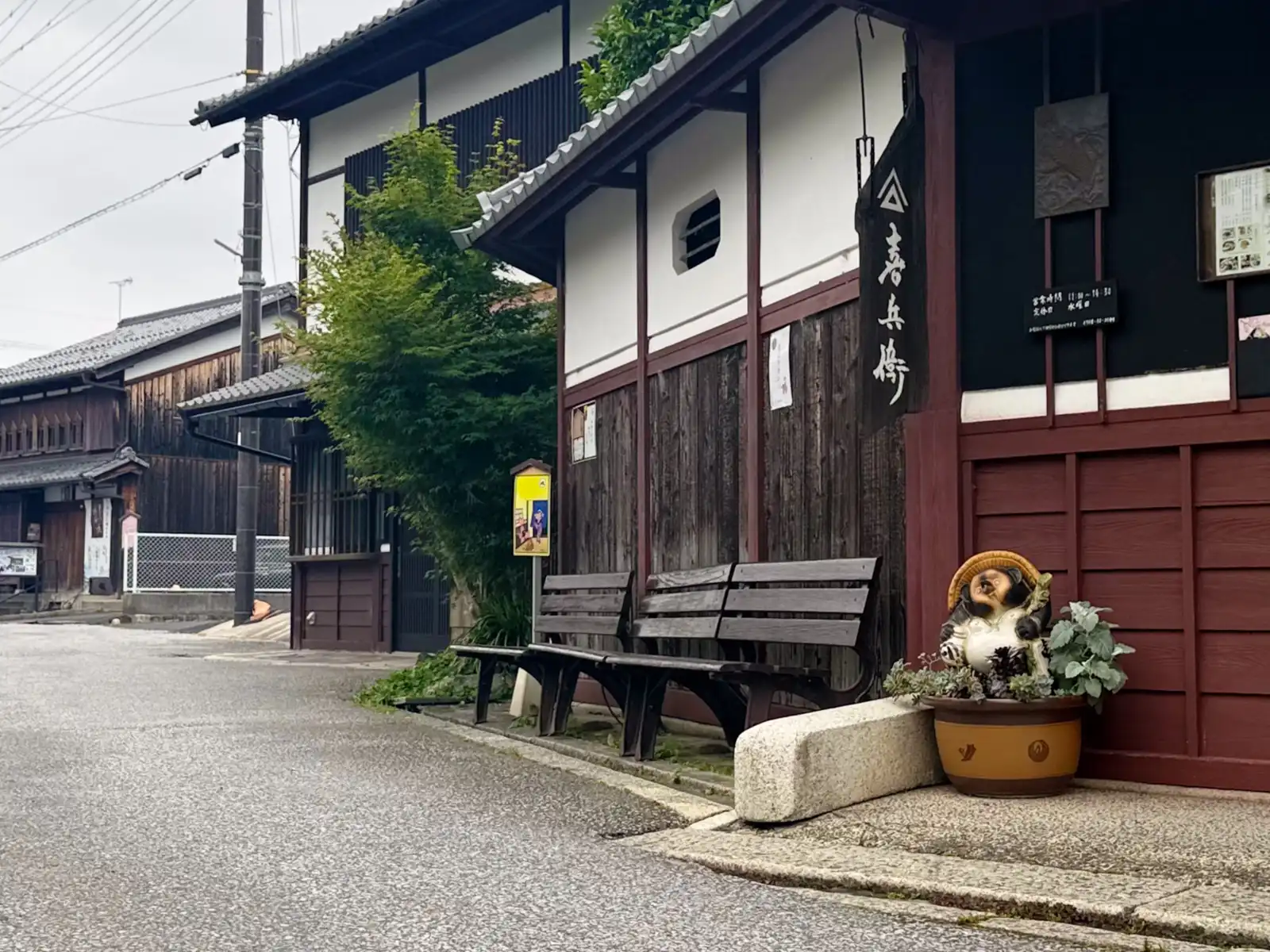
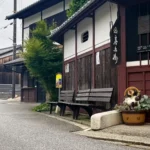
A bench and a tanuki figure outside a dark-timbered shop in the old town.
古い町並みに佇む、黒い板壁の店先のベンチと信楽焼のたぬき。
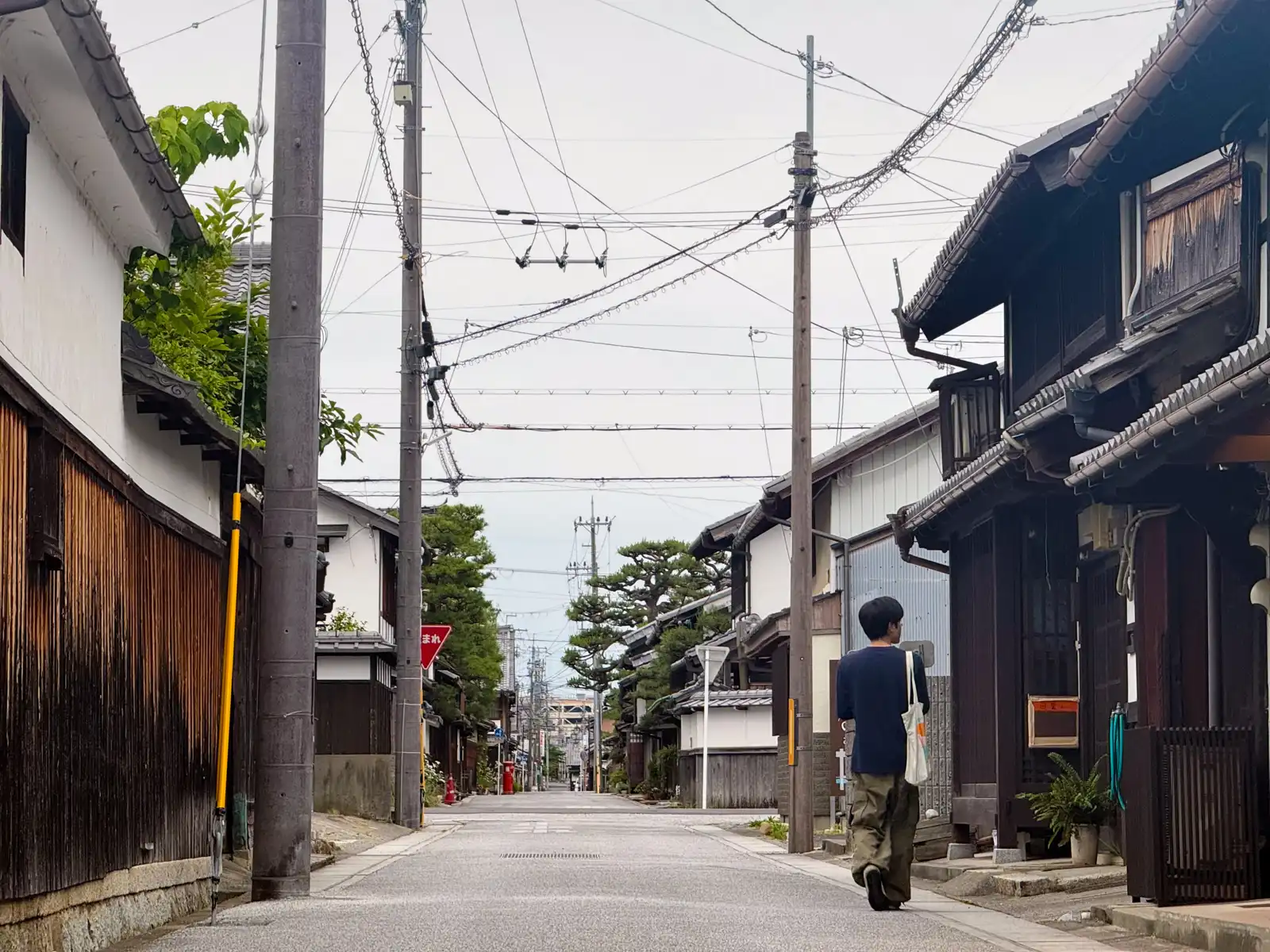
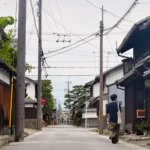
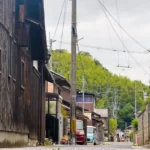
A quiet old street lined with merchant houses, threaded with overhead wires.
商家が連なる静かな旧街道。頭上には電線が幾重にも走る。
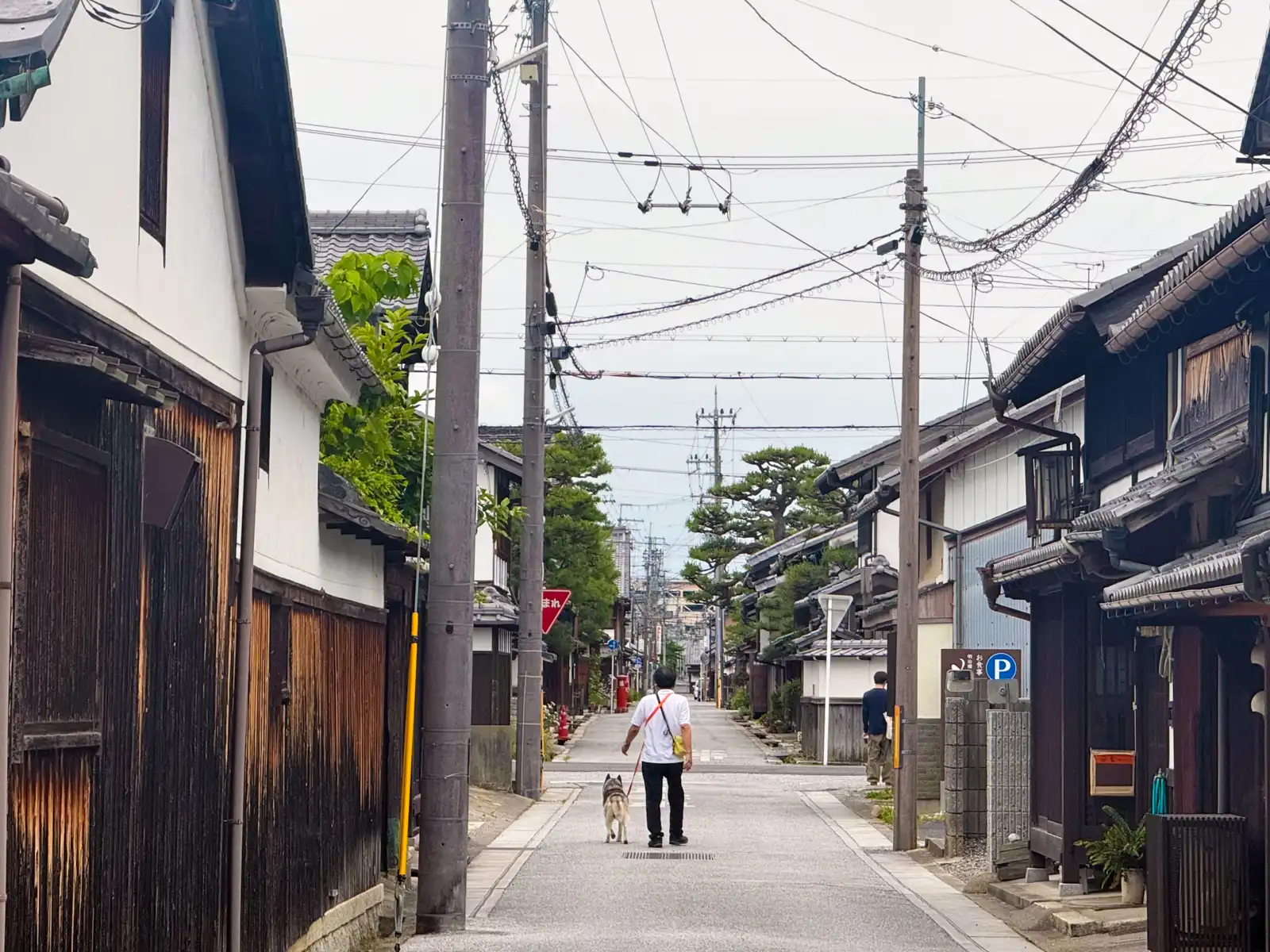
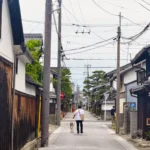
A man walking his dog down an empty old street in the late afternoon.
夕方の人通りのない旧街道を、犬を連れて歩く人。
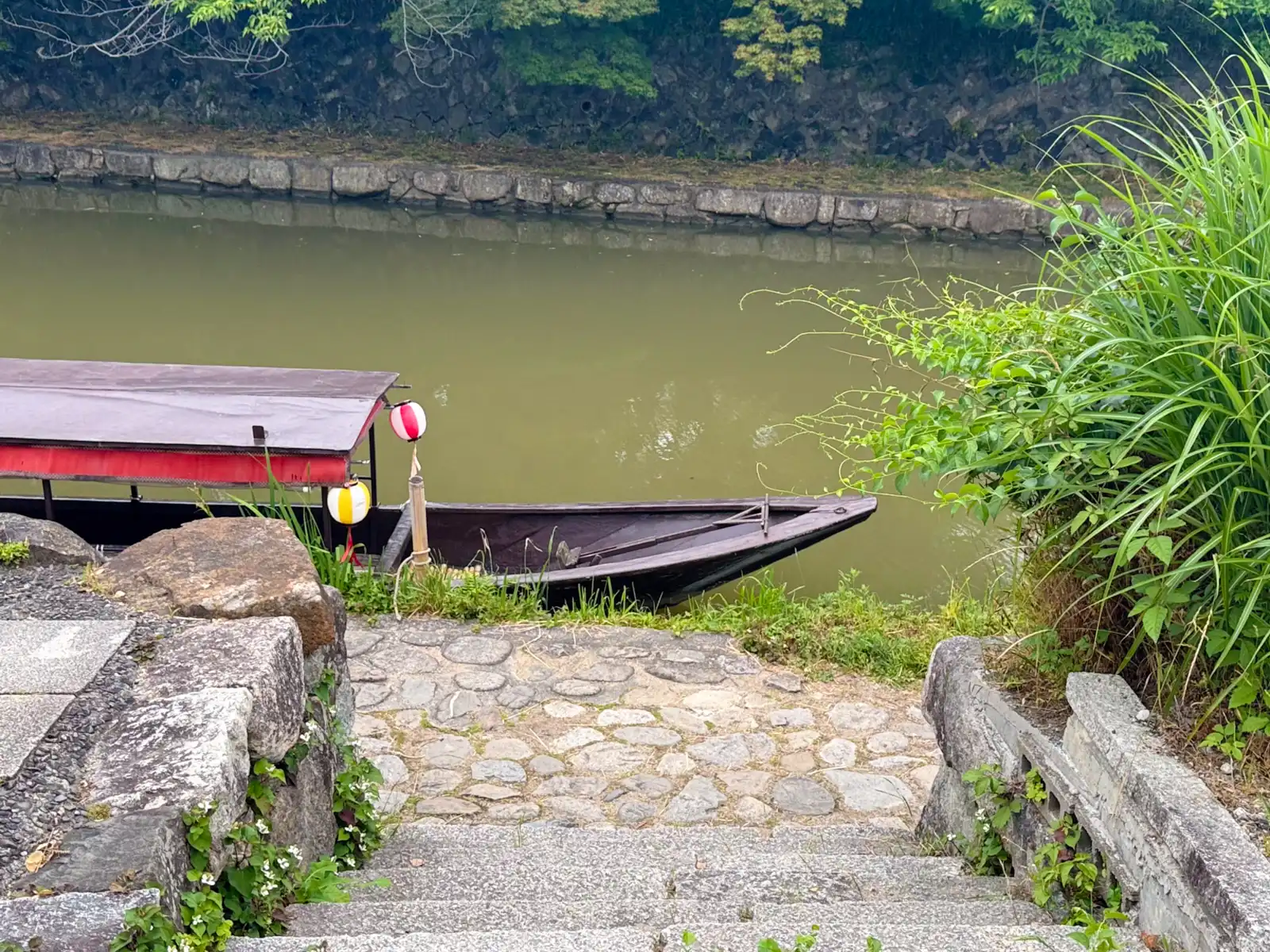
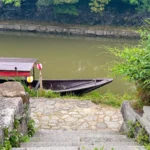
A canal boat moored at the foot of the stone steps down to the water.
水際へ下りる石段のたもとにつながれた一艘の小舟。
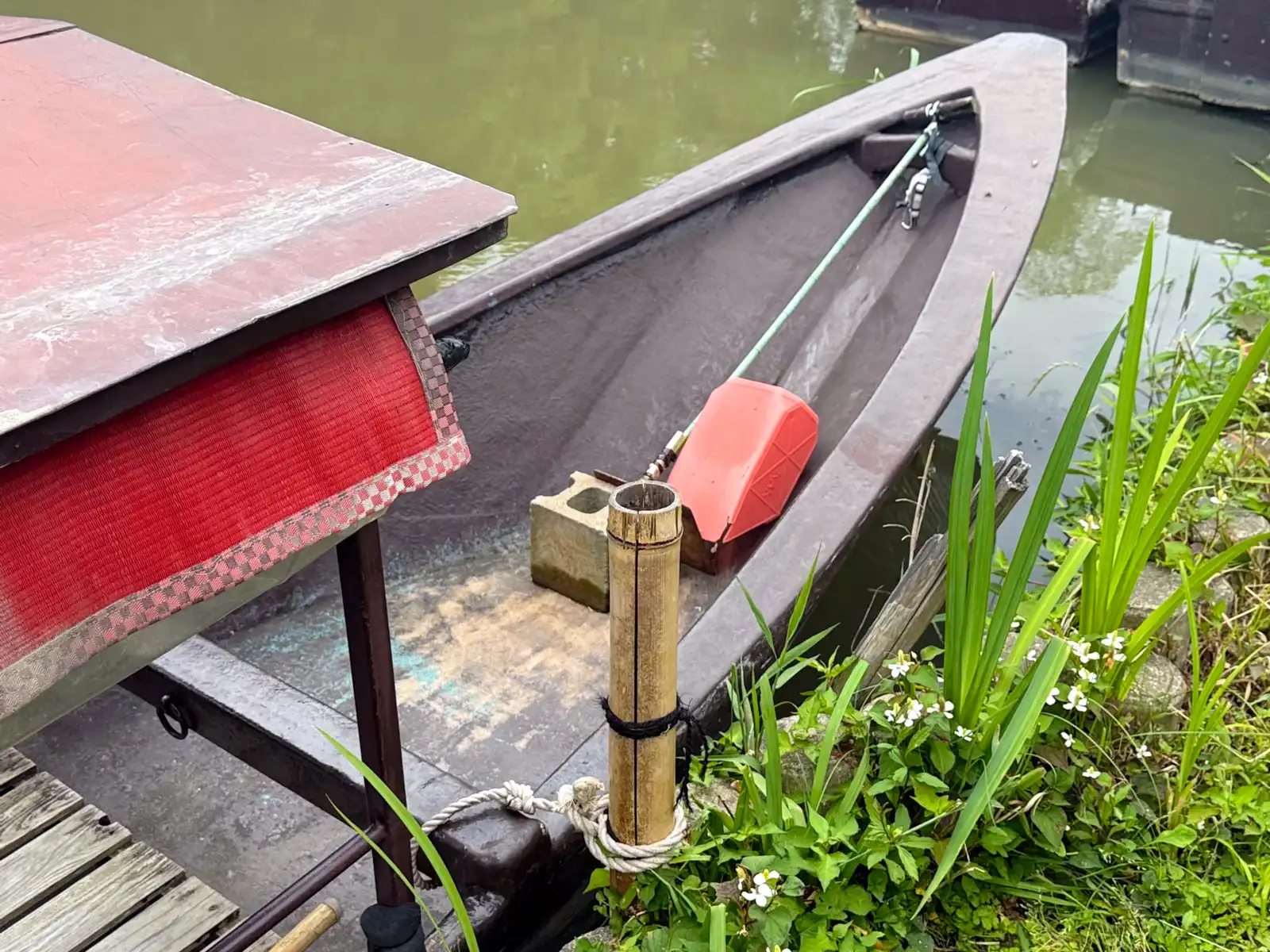
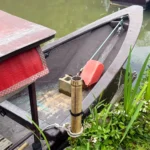
A moored boat up close: the bamboo mooring post, the pole, and the red-edged canopy.
つながれた小舟を間近で。竹の杭、棹、赤い縁取りの屋根が見える。
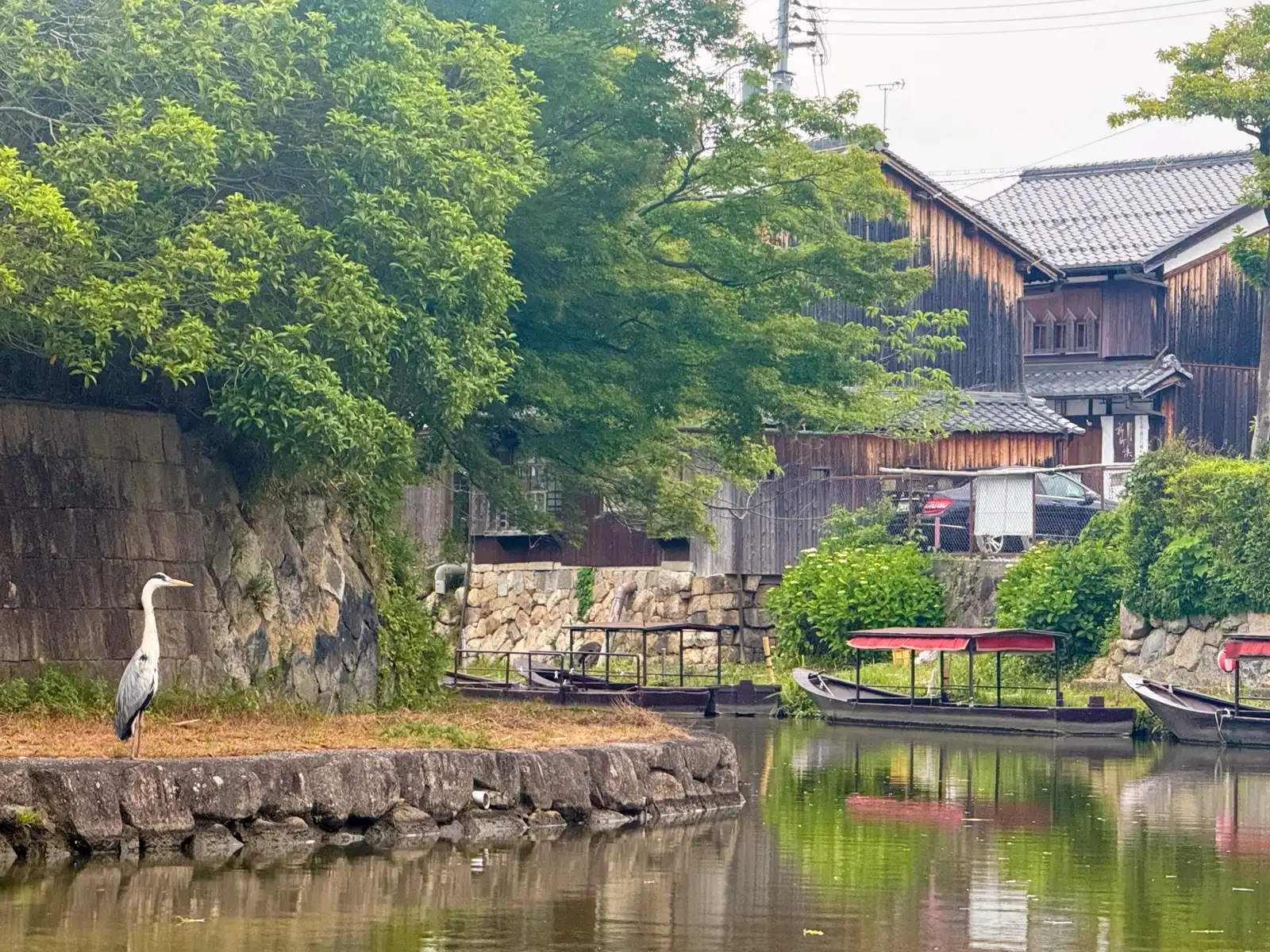
A grey heron on the canal bank, with the tour boats moored under the trees behind.
堀端に佇むアオサギ。背後の木陰には観光船がつながれている。
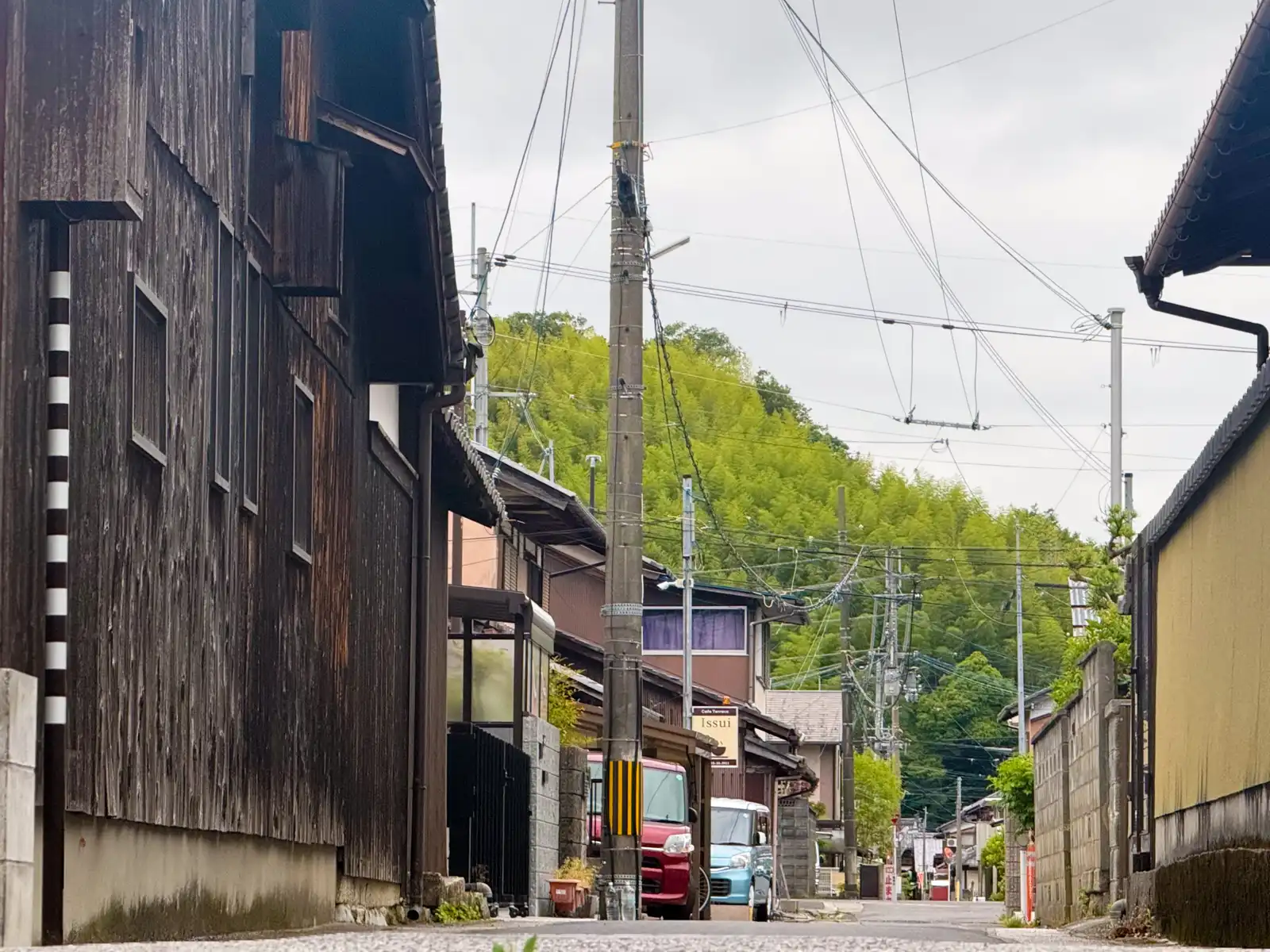
A back street of dark wooden storehouses, the green hillside rising at the end.
黒い板壁の土蔵が続く裏通り。突き当たりには緑の山が迫る。
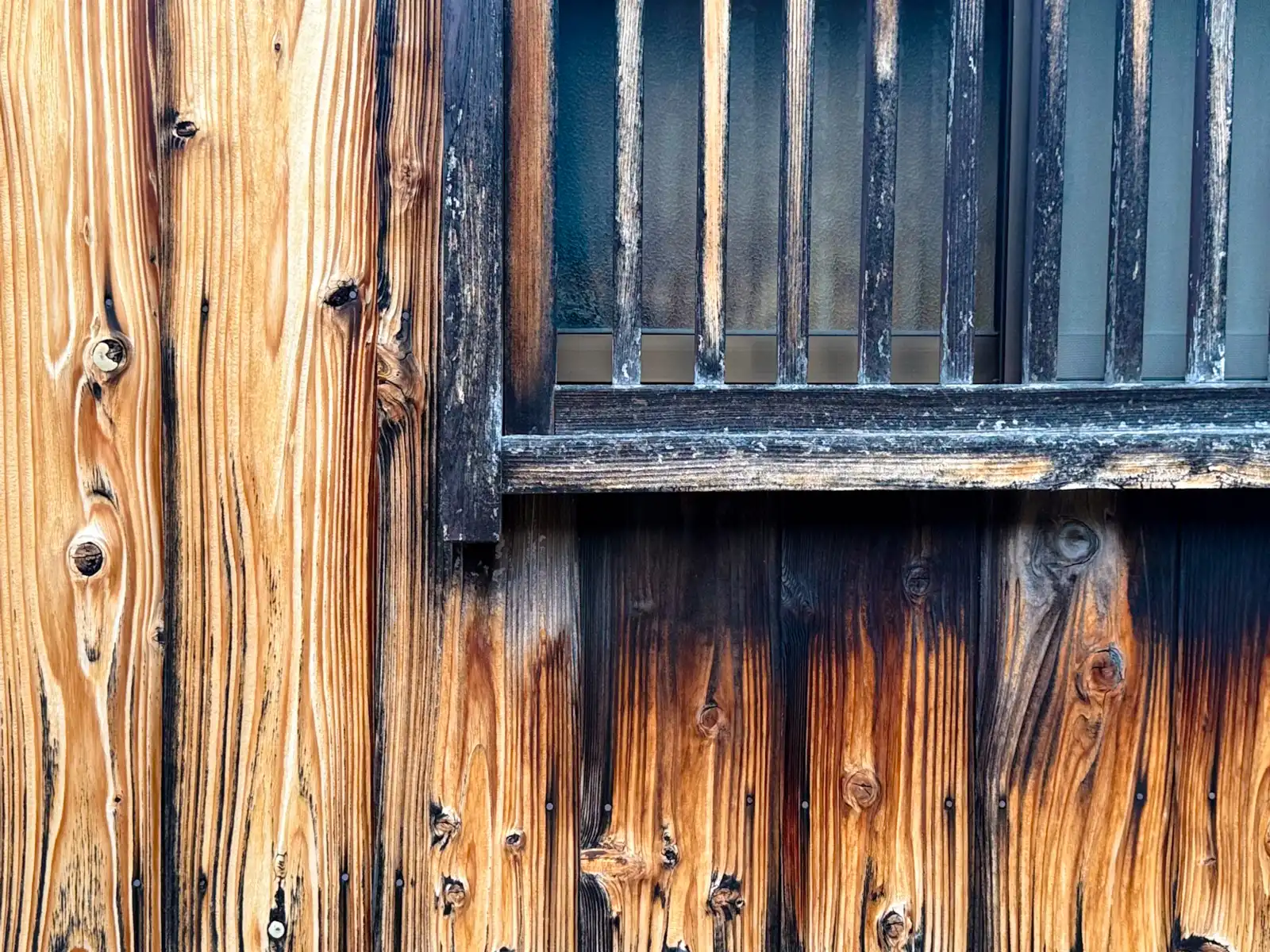
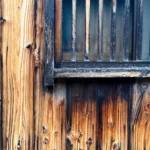
A close look at a weathered wooden wall: charred-cedar boards and a latticed window.
風雪を経た木壁を間近で。焼き杉の板と格子窓。
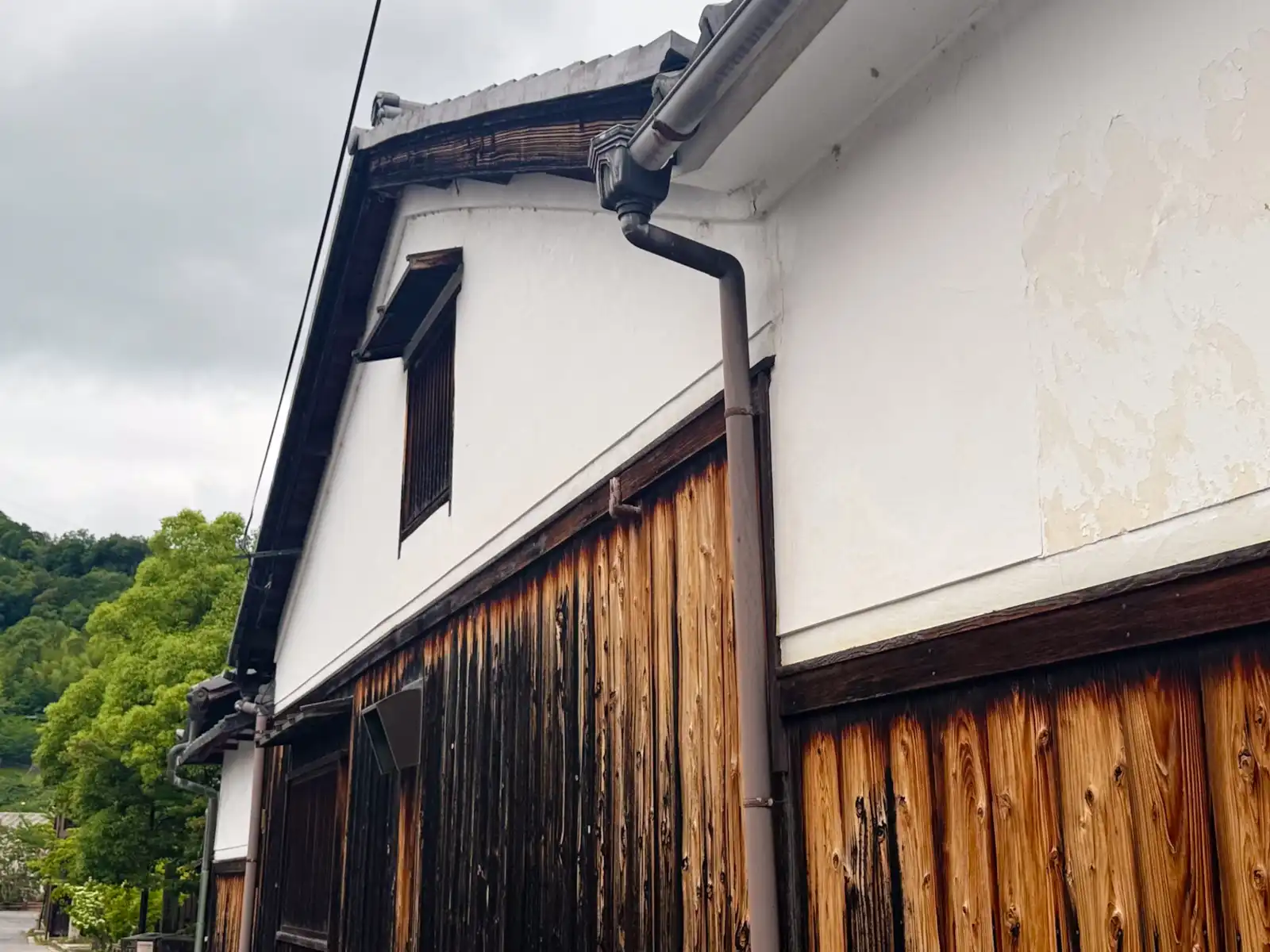
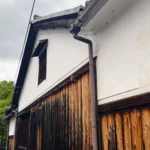
The side of a white-walled storehouse, its lower half clad in charred-cedar boarding.
白壁の土蔵の側面。下半分は焼き杉の板で覆われている。
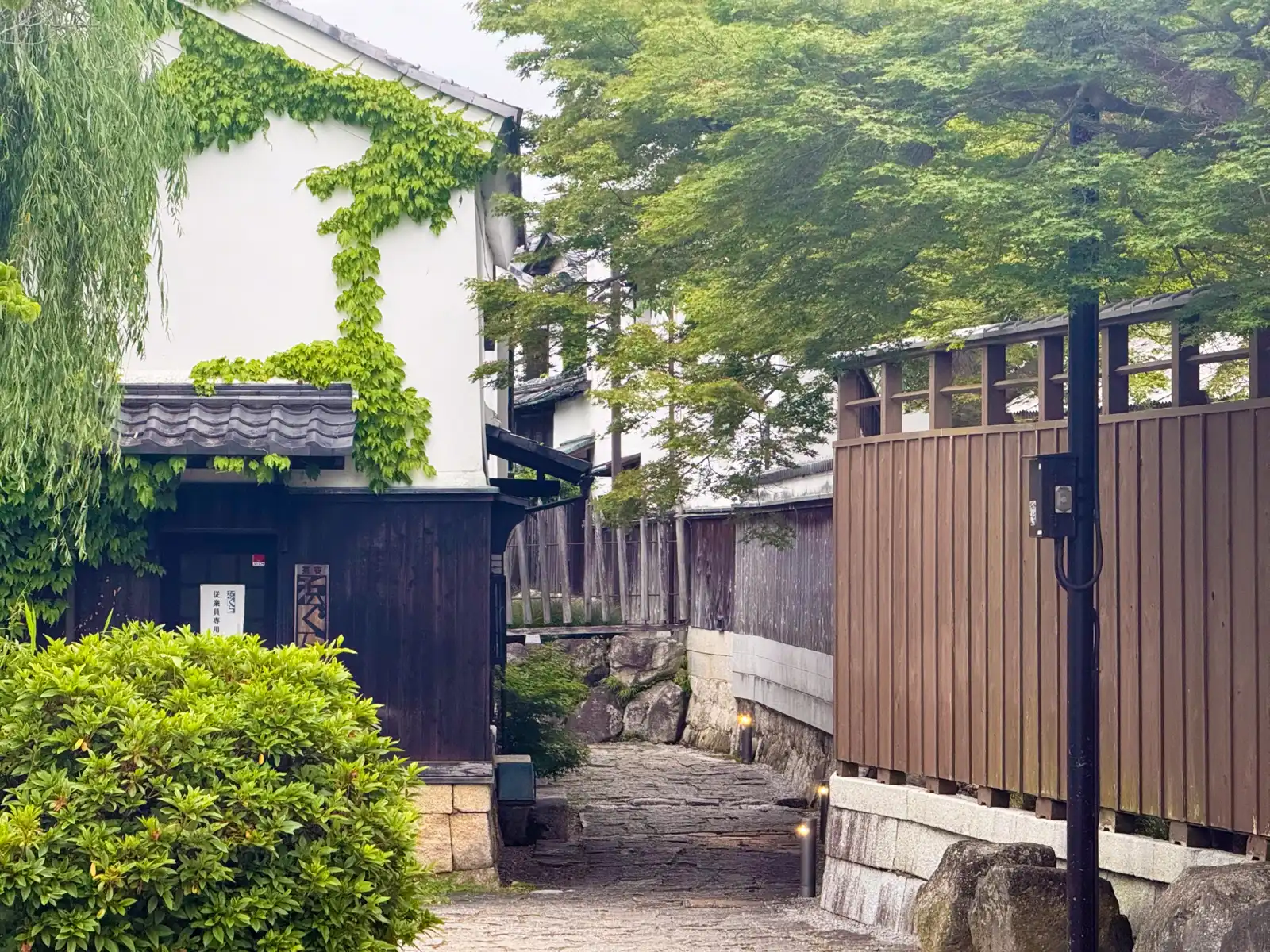
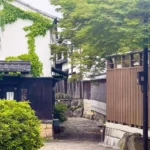
A stone-paved lane running between the storehouses, down toward the canal.
土蔵の間を抜け、堀へと下りていく石畳の小道。
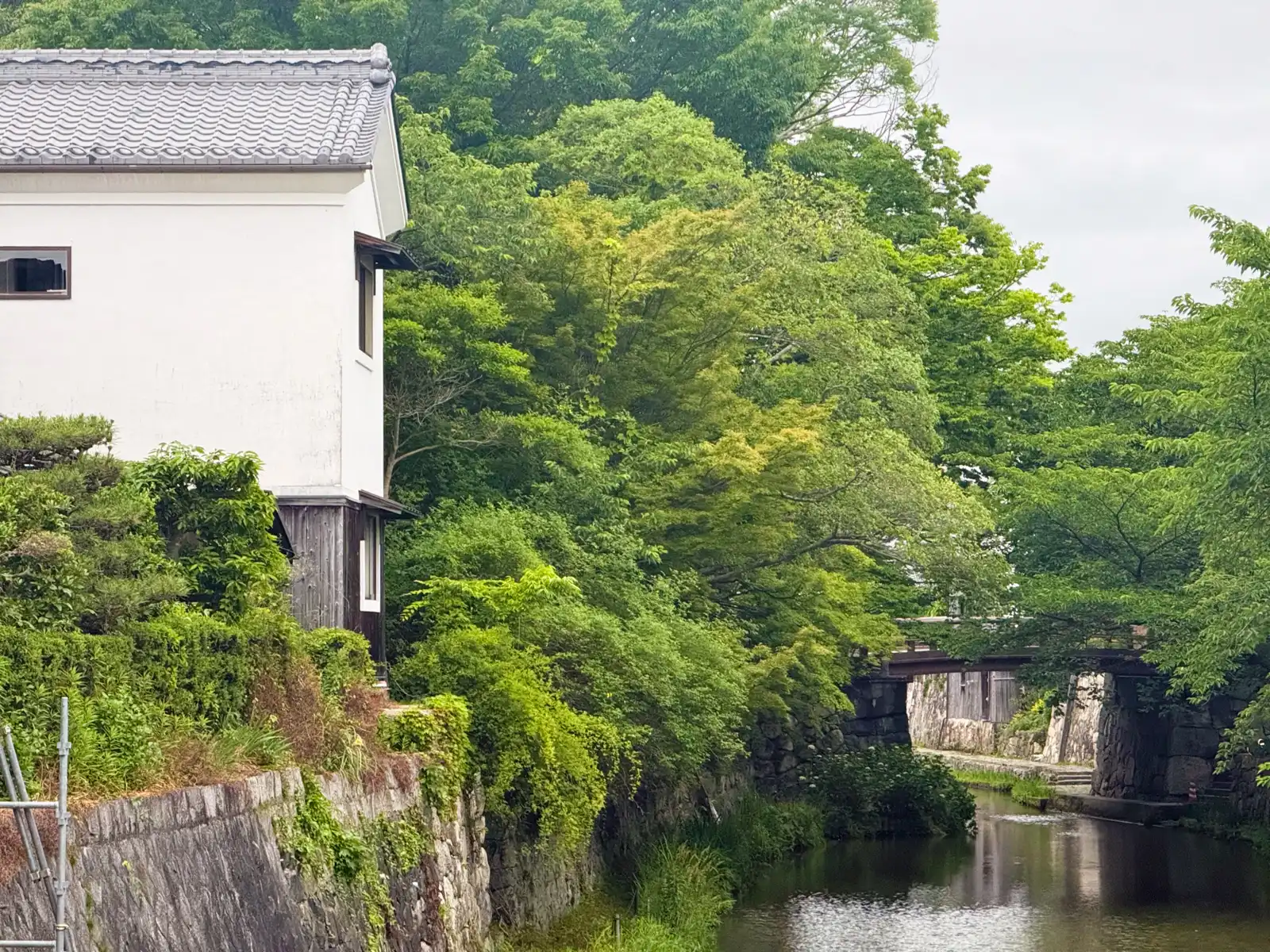
A white storehouse above the canal’s stone bank, with a wooden bridge in the distance.
堀の石垣の上に建つ白壁の土蔵。奥には木橋が見える。
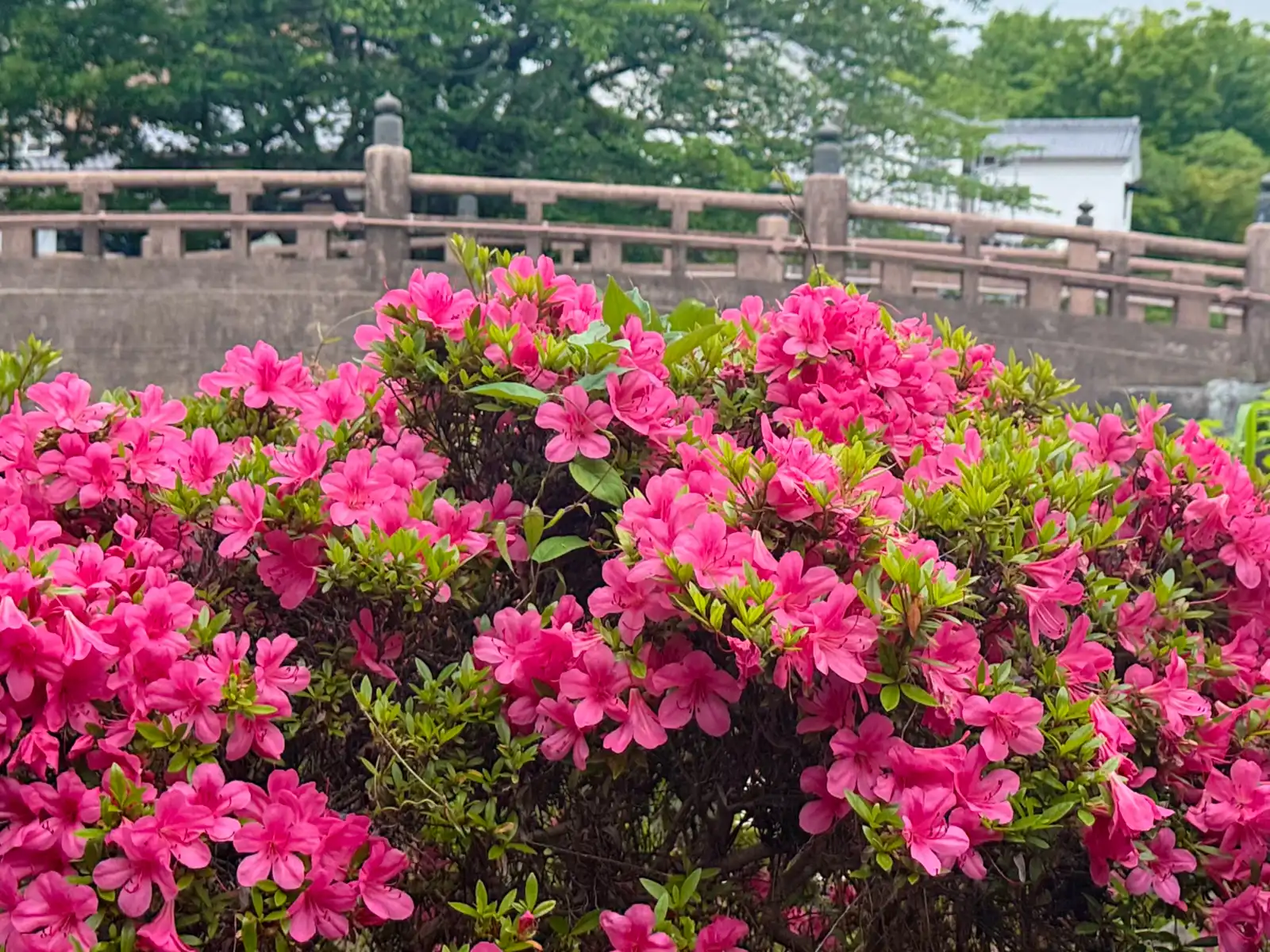
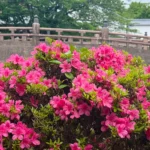
Azaleas in full bloom in front of one of the canal’s stone bridges.
堀の石橋を背に、満開のツツジ。
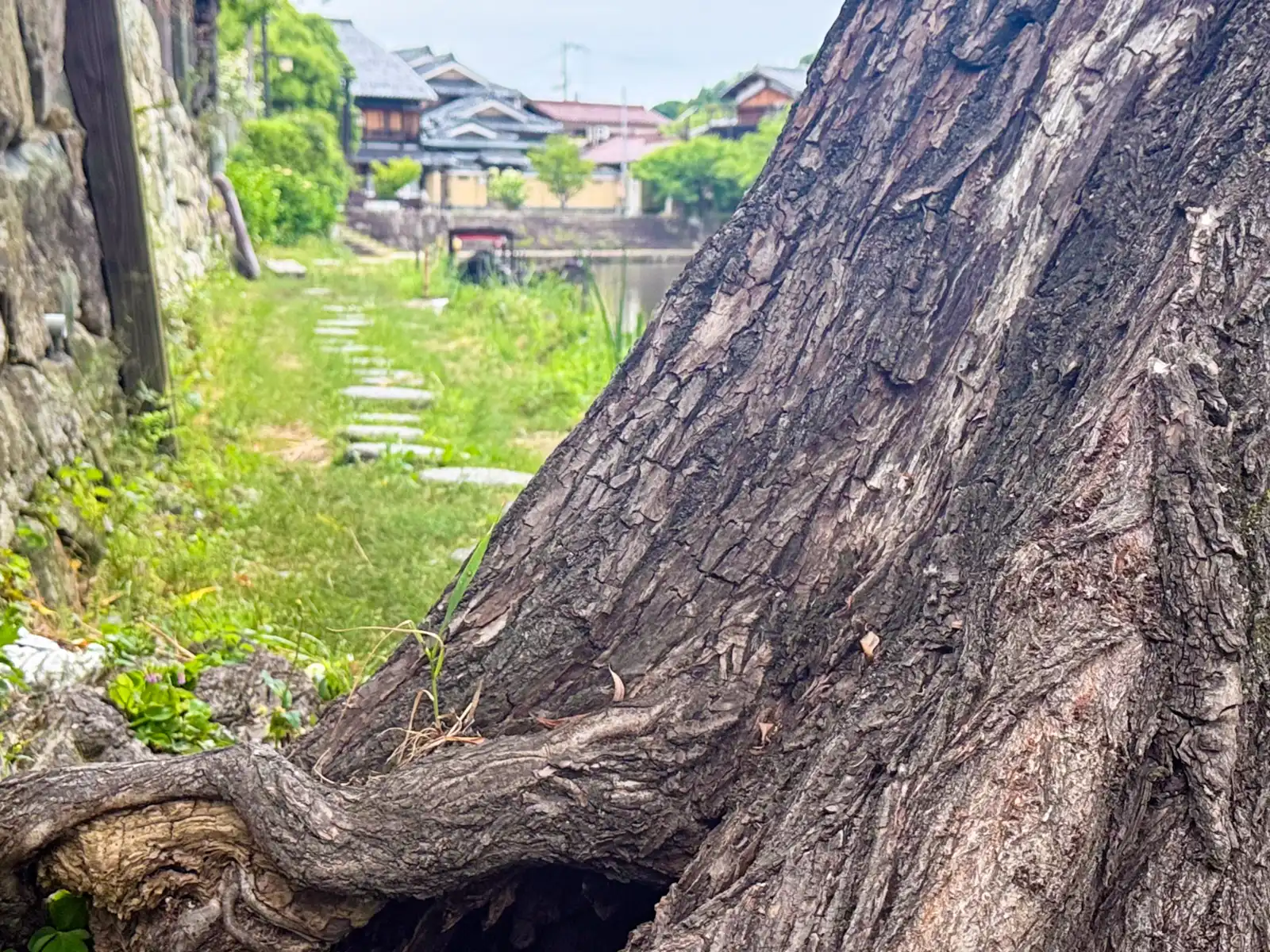
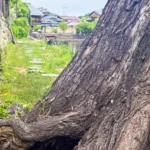
The gnarled trunk of an old willow on the canal bank, the stepping-stone path running behind it.
堀端に立つ老柳の節くれだった幹。その奥に飛び石の小道が続く。
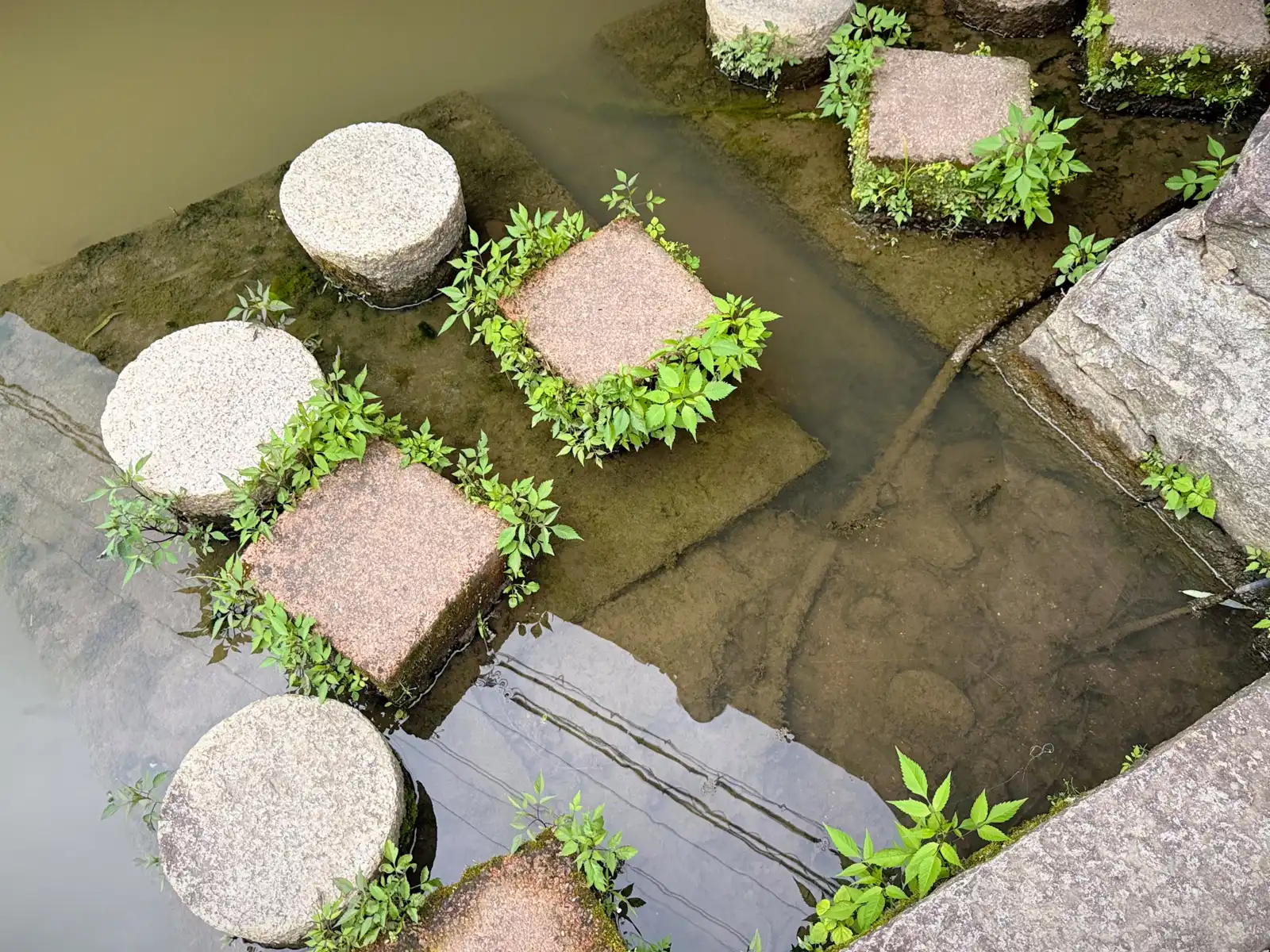
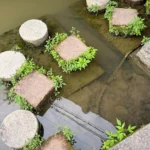
Stepping stones set into the shallows at the canal’s edge, ringed with greenery.
水際の浅瀬に据えられた飛び石。まわりを若草が縁取る。
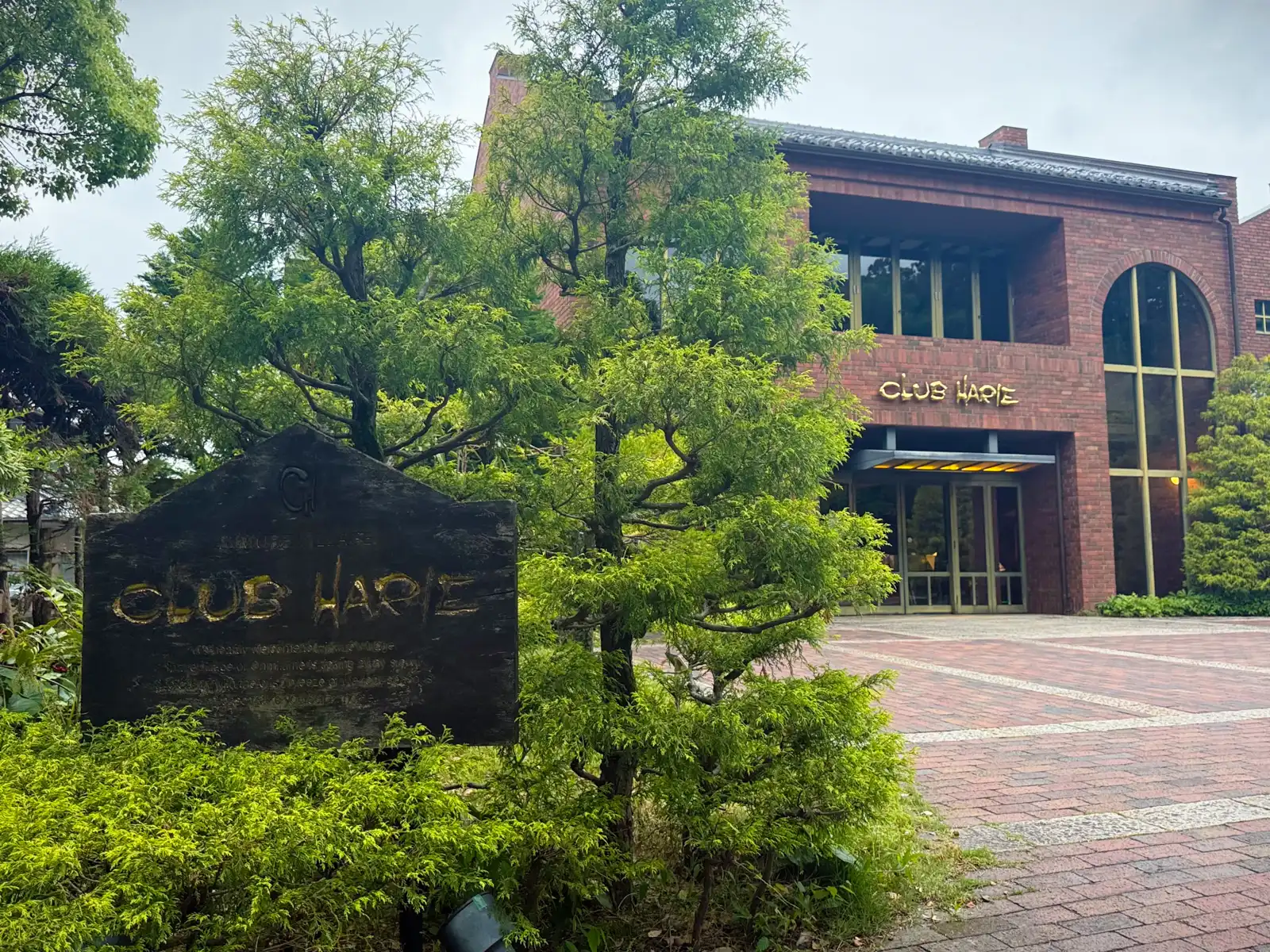
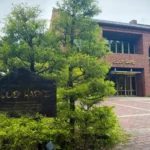
Club Harie, the Taneya group’s brick-built confectionery hall near the canal, famous for its baumkuchen.
堀の近くに建つ、たねやグループの洋菓子館「クラブハリエ」。赤レンガ造りで、バウムクーヘンで知られる。
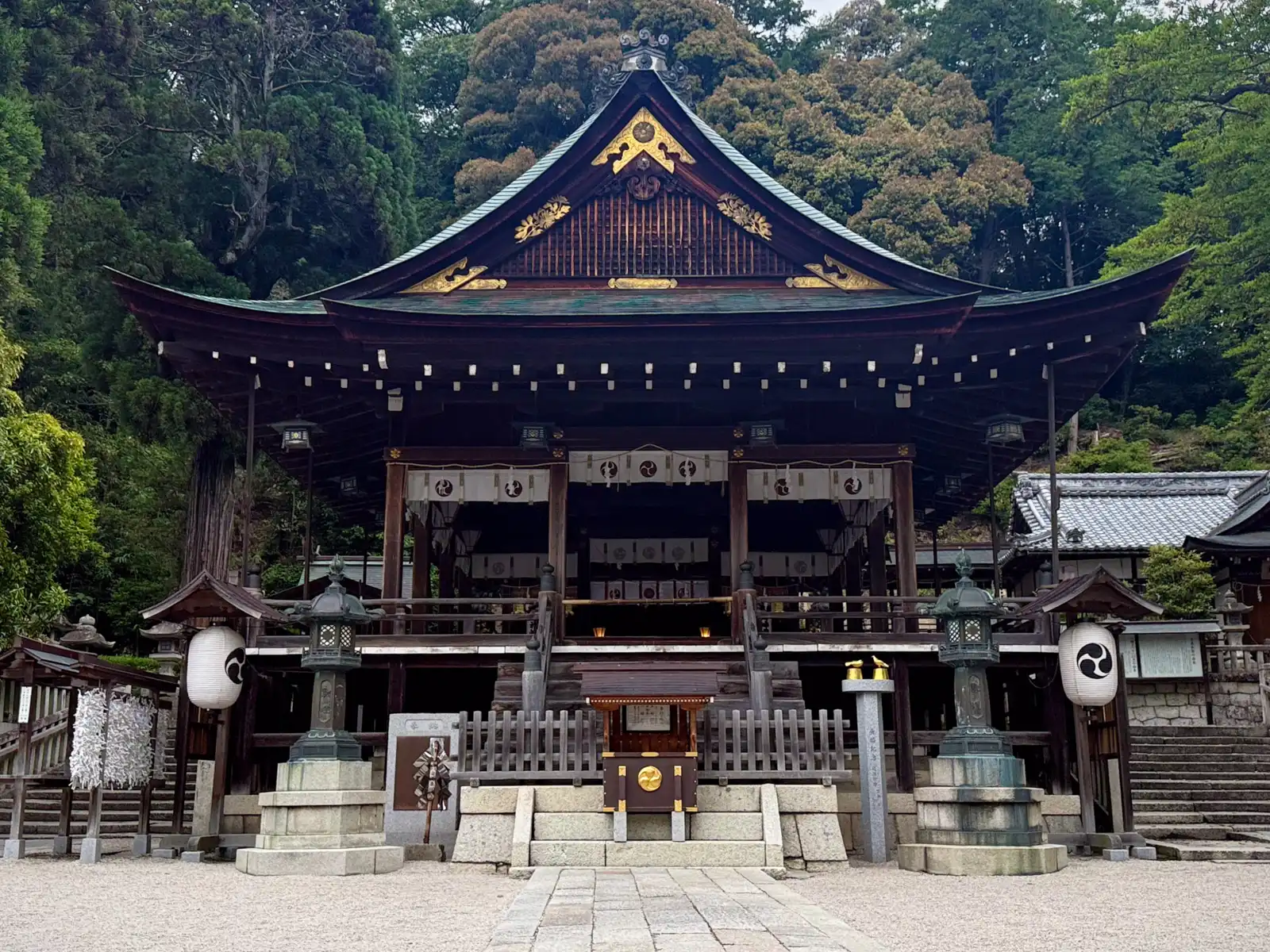
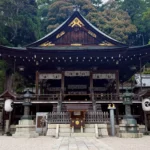
The main hall of Himure Hachimangū, the shrine by the canal, set against the wooded hillside.
堀のほとりに鎮座する日牟禮八幡宮の社殿。背後には木々の茂る山が迫る。
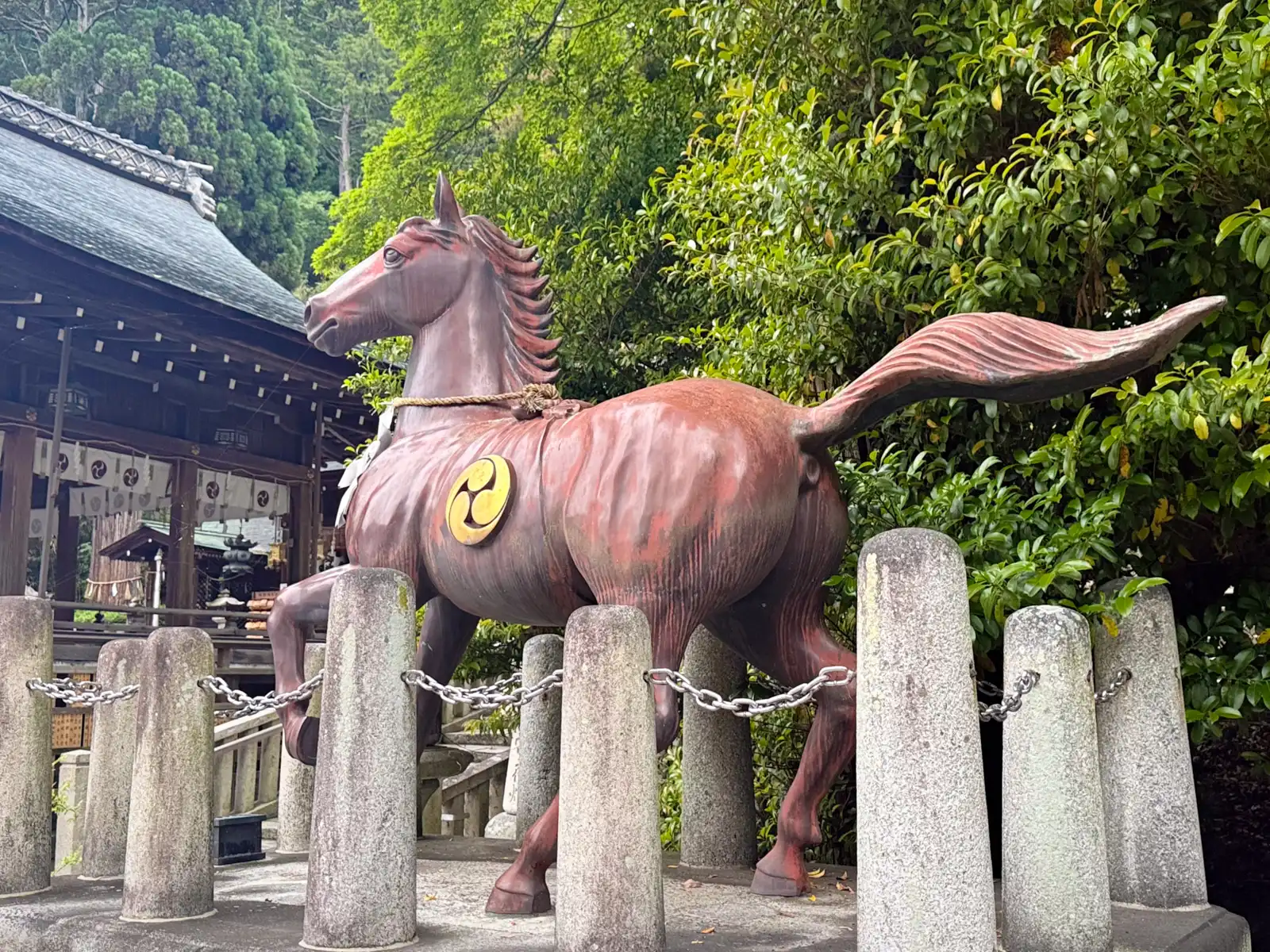
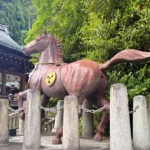
A reddish-brown sacred horse statue at the shrine, marked with the shrine’s tomoe crest.
神社の神馬像。社紋の巴紋が記されている。
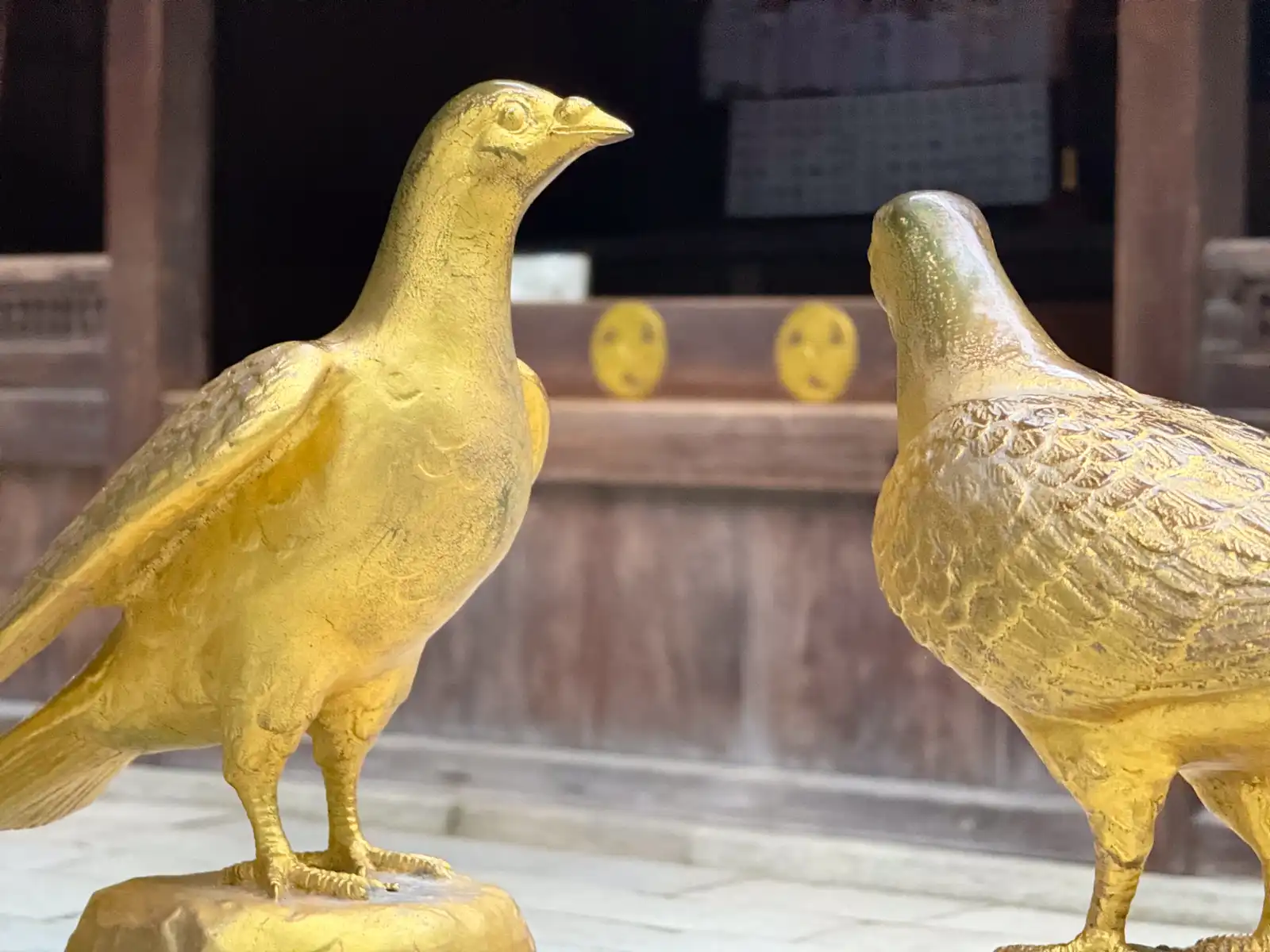
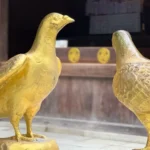
A pair of gilded bird statues in front of the shrine hall.
社殿の前に据えられた一対の金色の鳥の像。
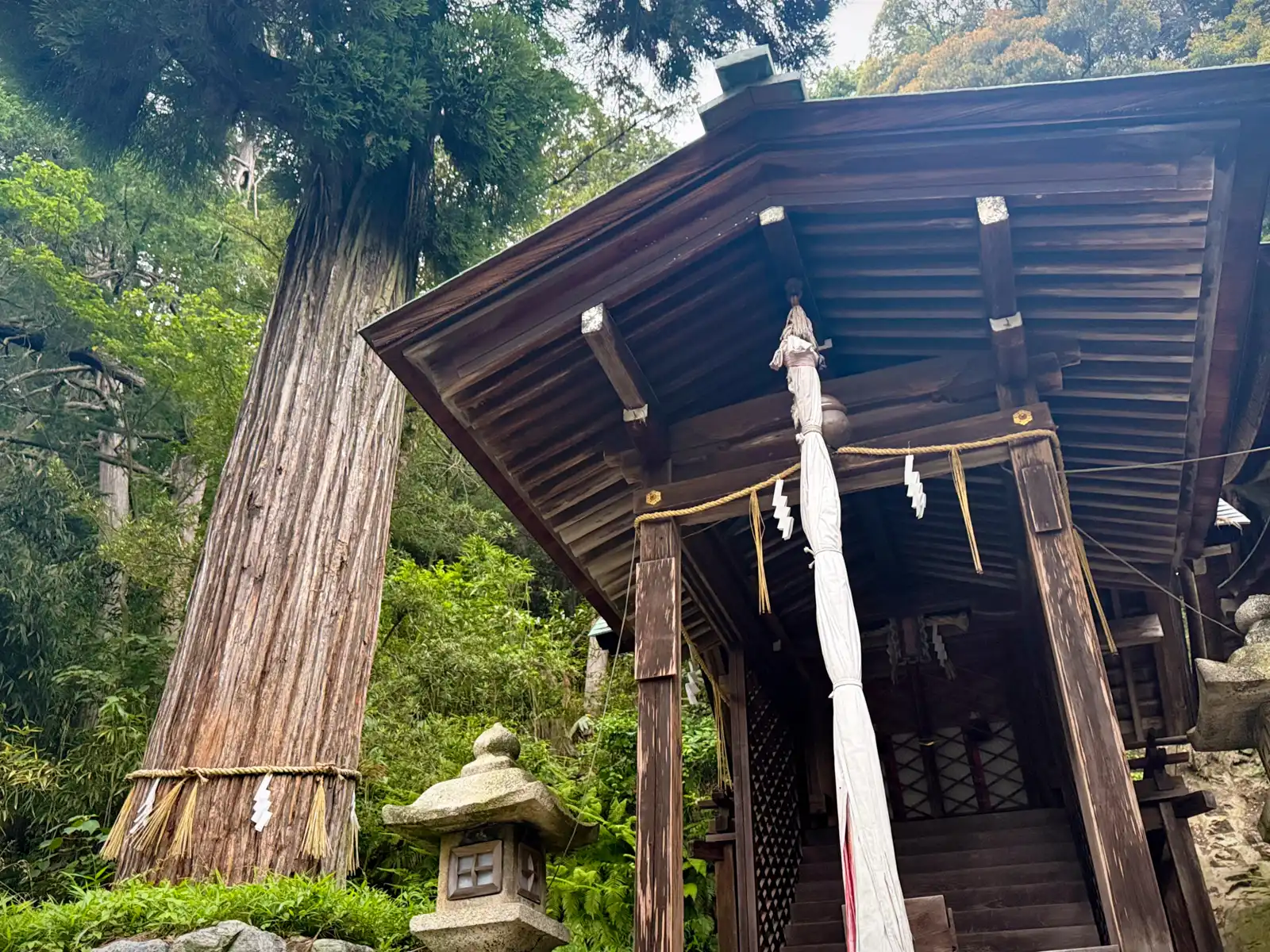
A small shrine hall beside a great sacred cedar wrapped with a straw shimenawa rope.
注連縄を巻いた大杉のご神木のかたわらに建つ小さな社。
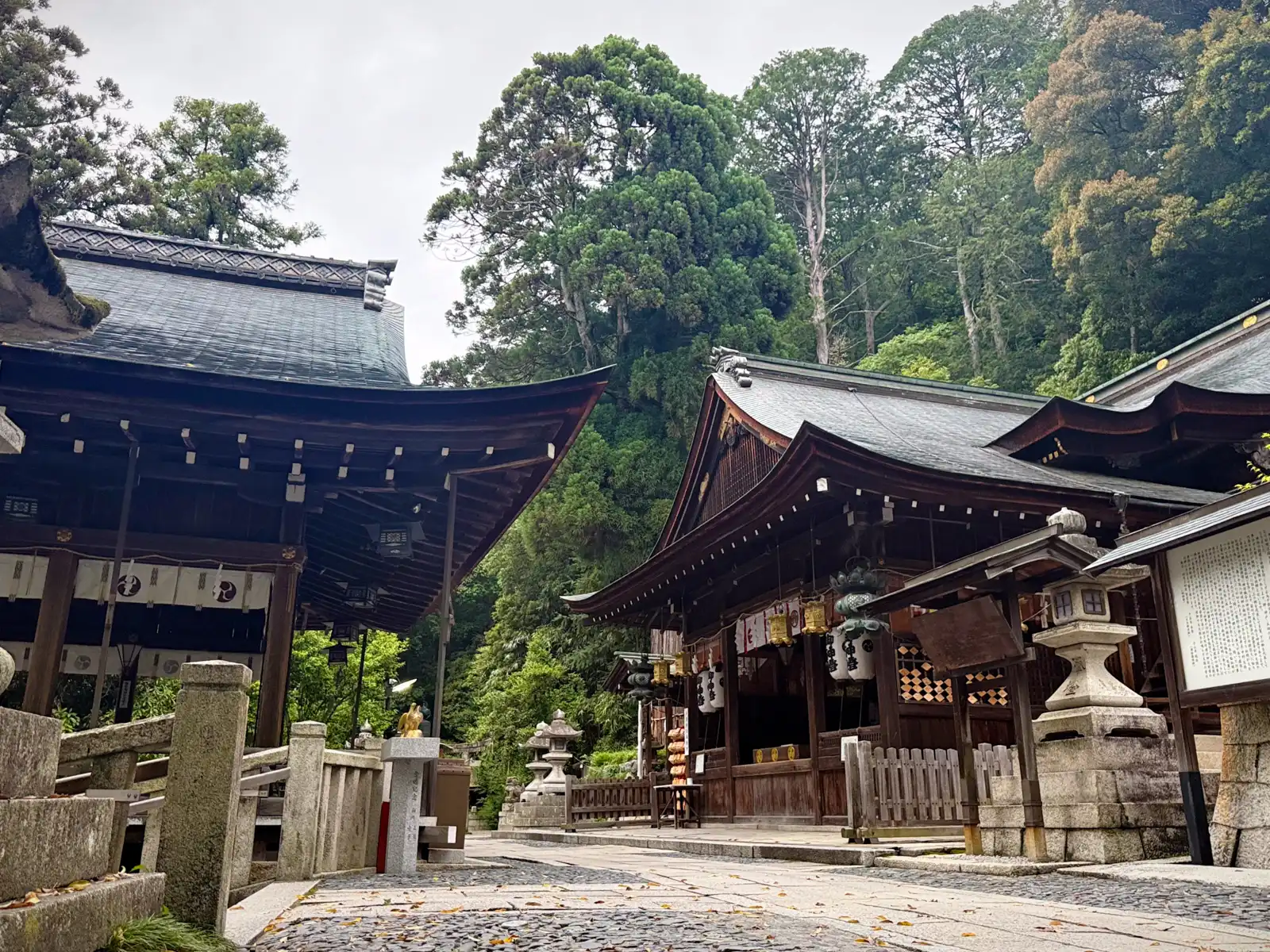
The shrine’s halls and stone lanterns gathered at the foot of the hill.
山裾に建ち並ぶ社殿と石灯籠。
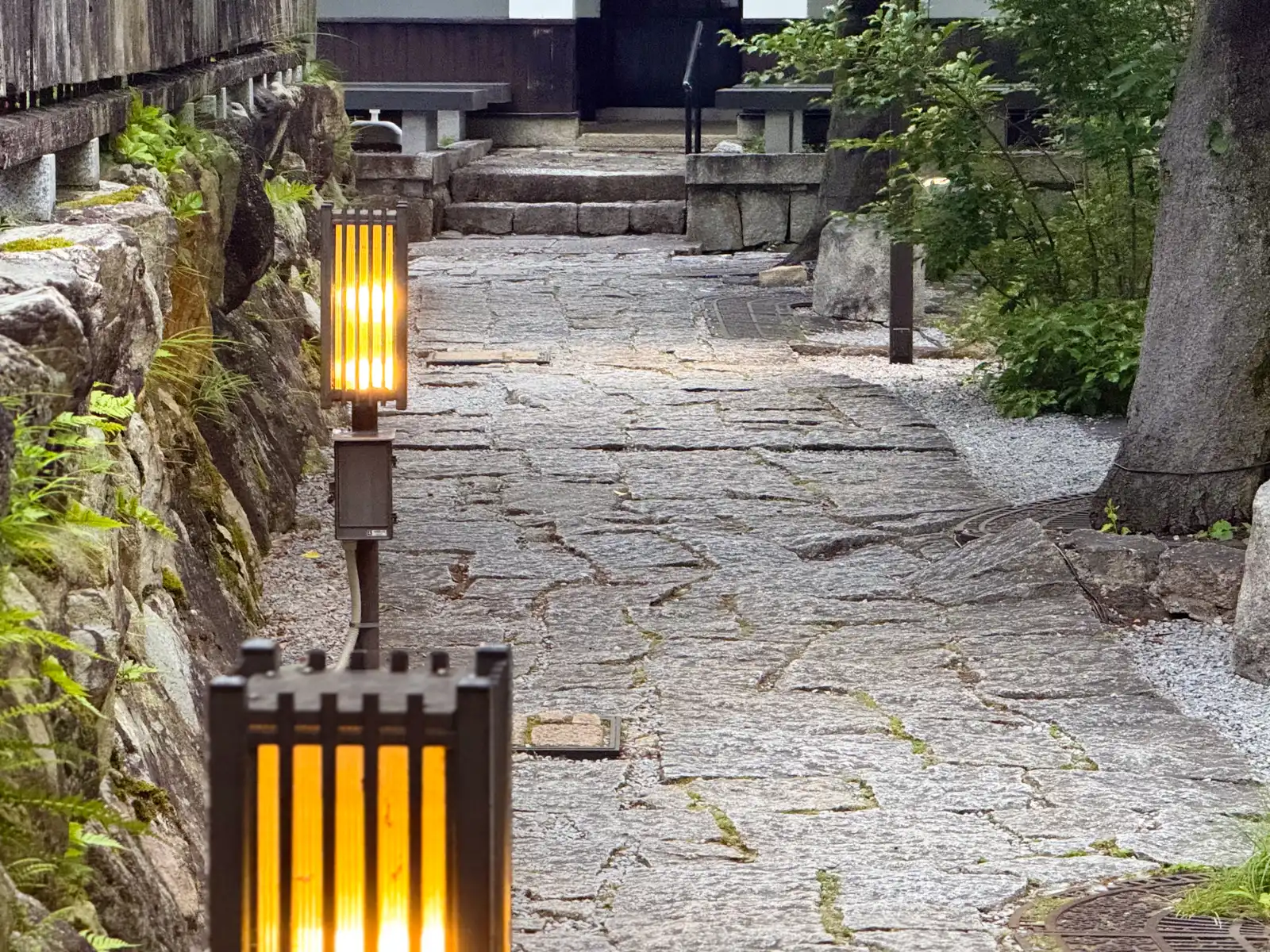
The stone-paved towpath at dusk, the lanterns along it just coming on.
夕暮れの石畳の小道。沿いの灯りがともり始める。
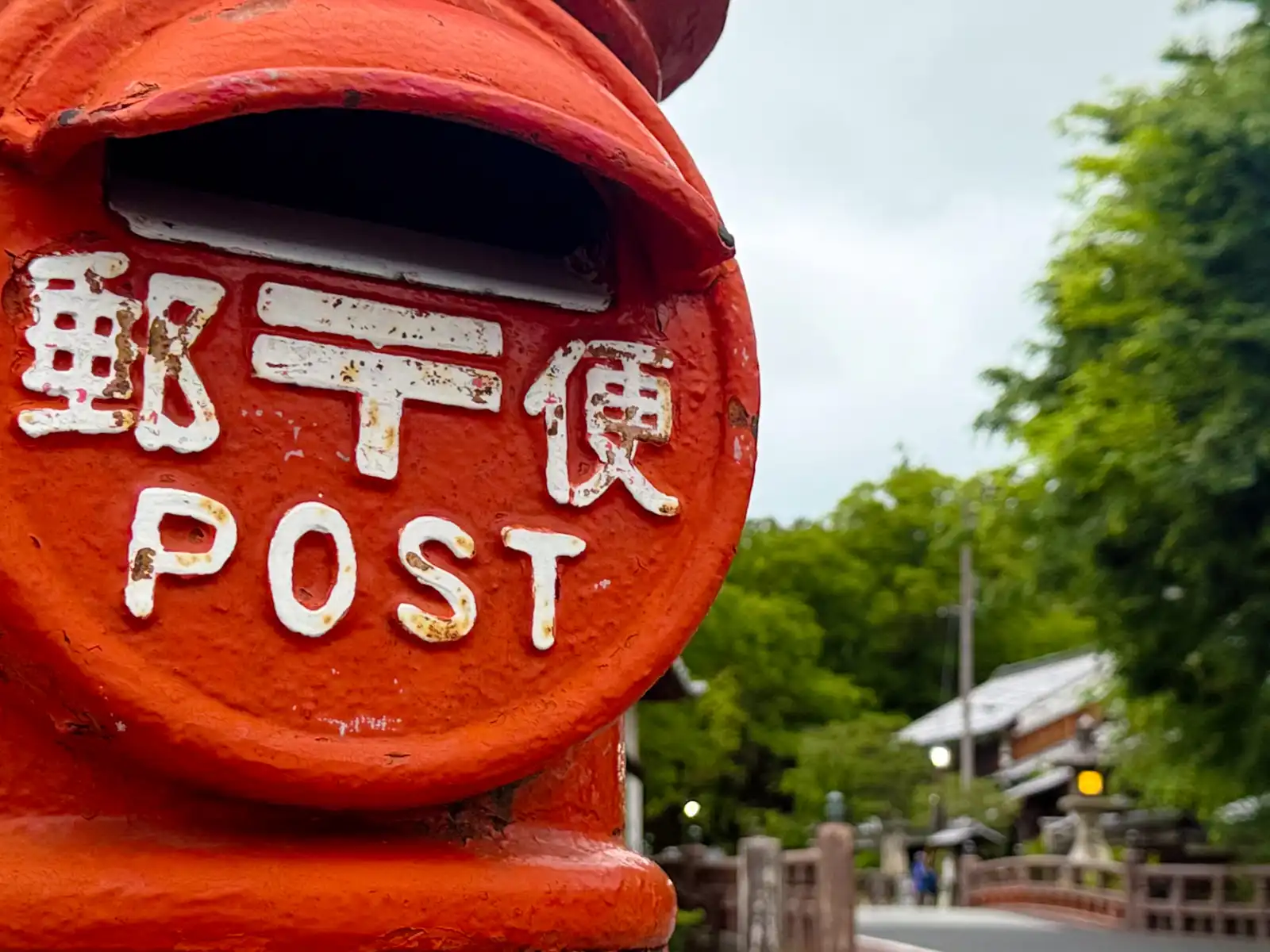
An old round postbox by the canal, still in use, with a bridge beyond.
堀のそばに立つ、今も使われている丸型ポスト。奥には橋が見える。
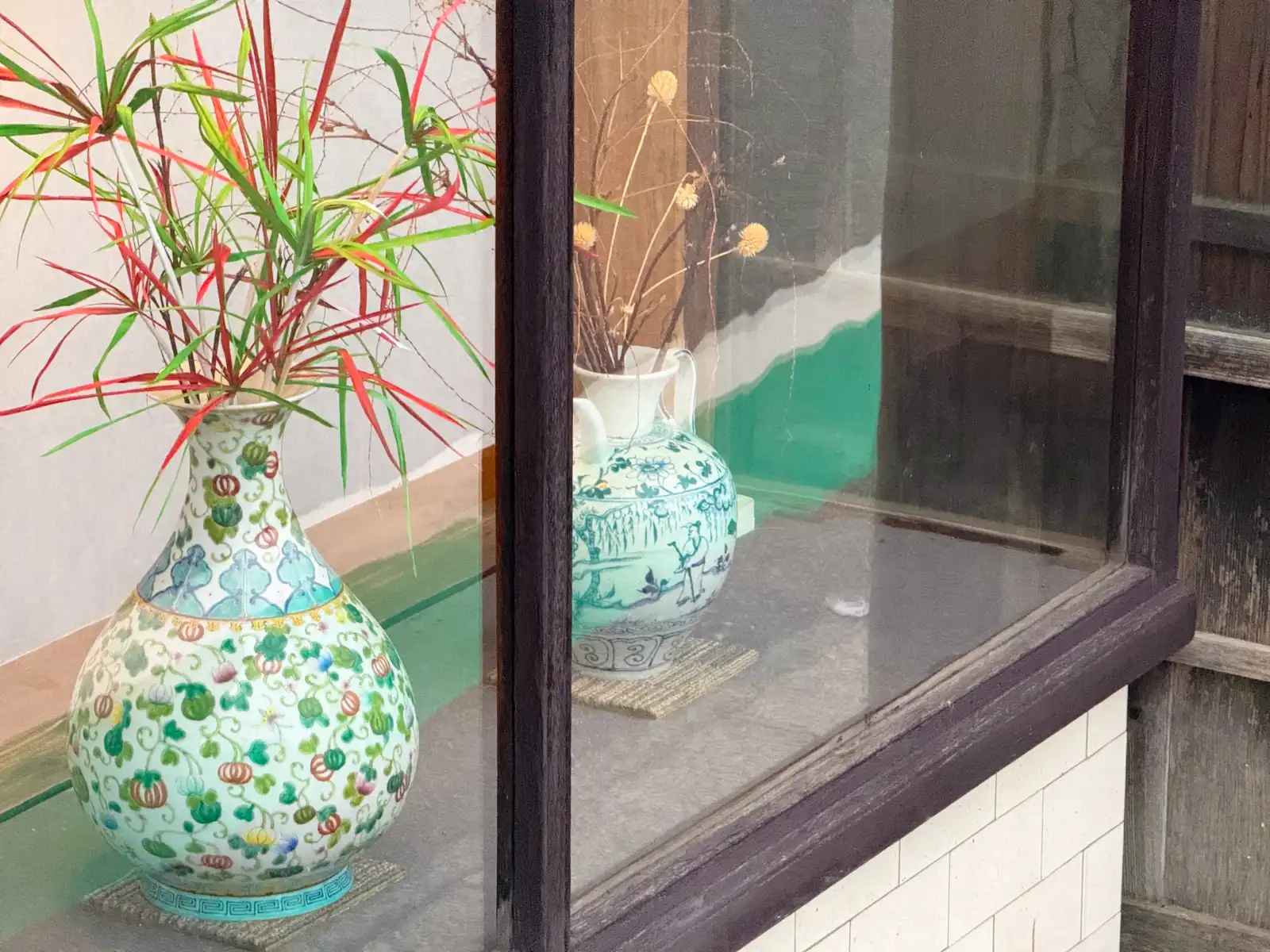
Painted vases of flowers displayed in an old shop window.
古い店の窓辺に飾られた、絵付けの花瓶と花。
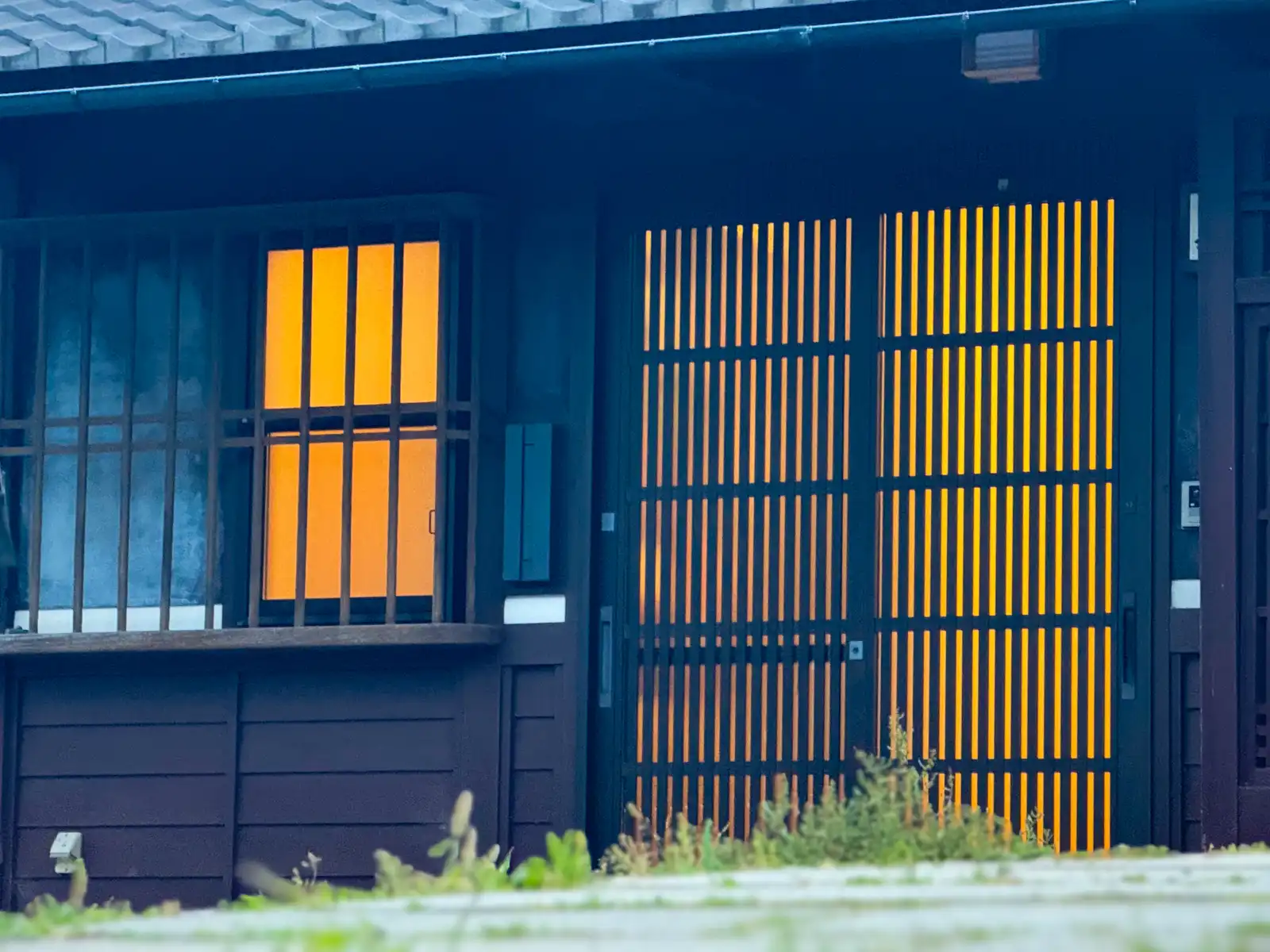
The latticed front of an old house, warm light glowing through the slats at dusk.
格子戸の古い家。夕暮れ、桟の間から暖かな灯りがもれる。
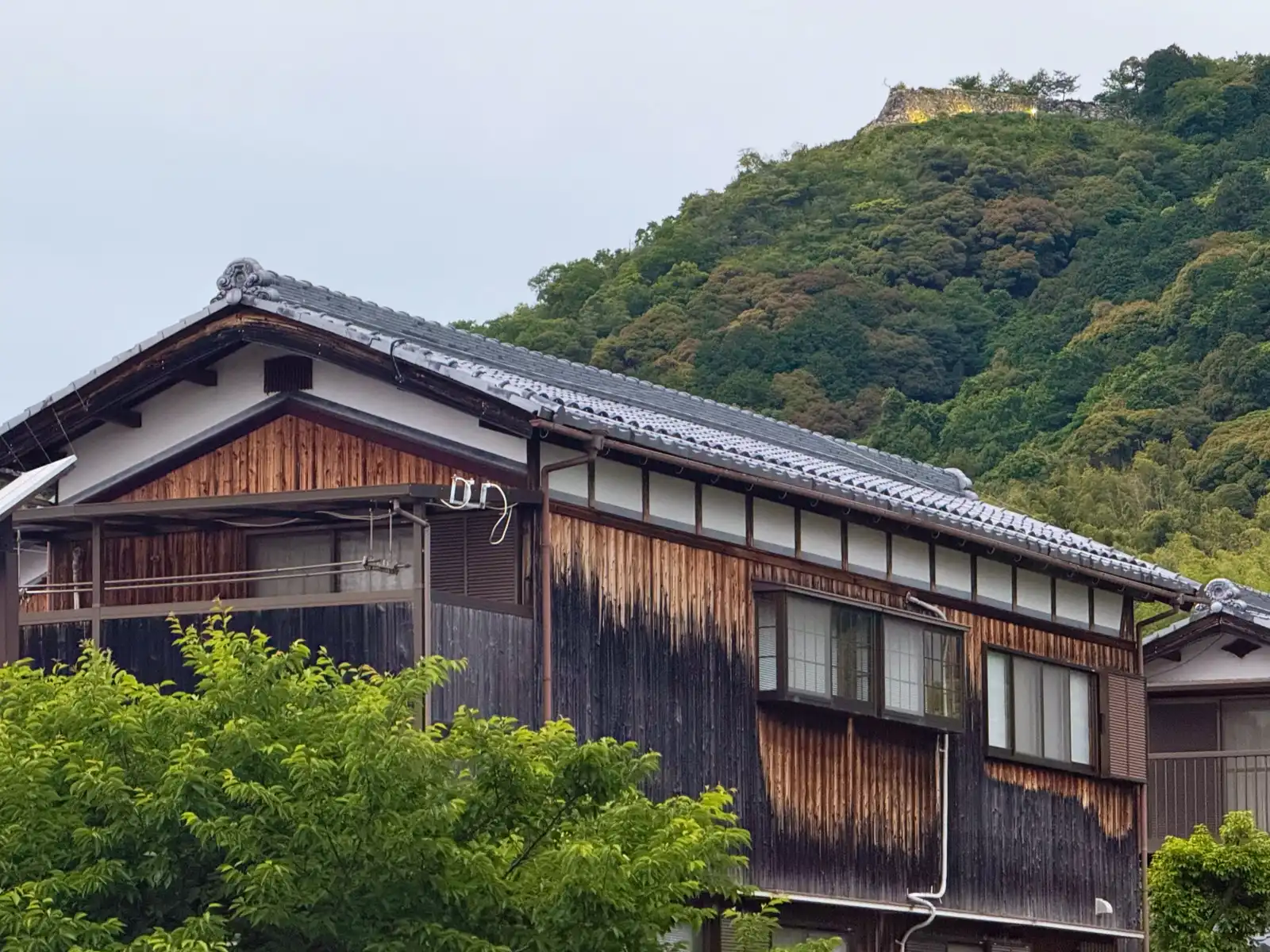
Old houses below the wooded hill, with the stone walls of the castle ruins lit on the summit.
木々に覆われた山裾の家並み。頂には灯りに照らされた城跡の石垣が見える。
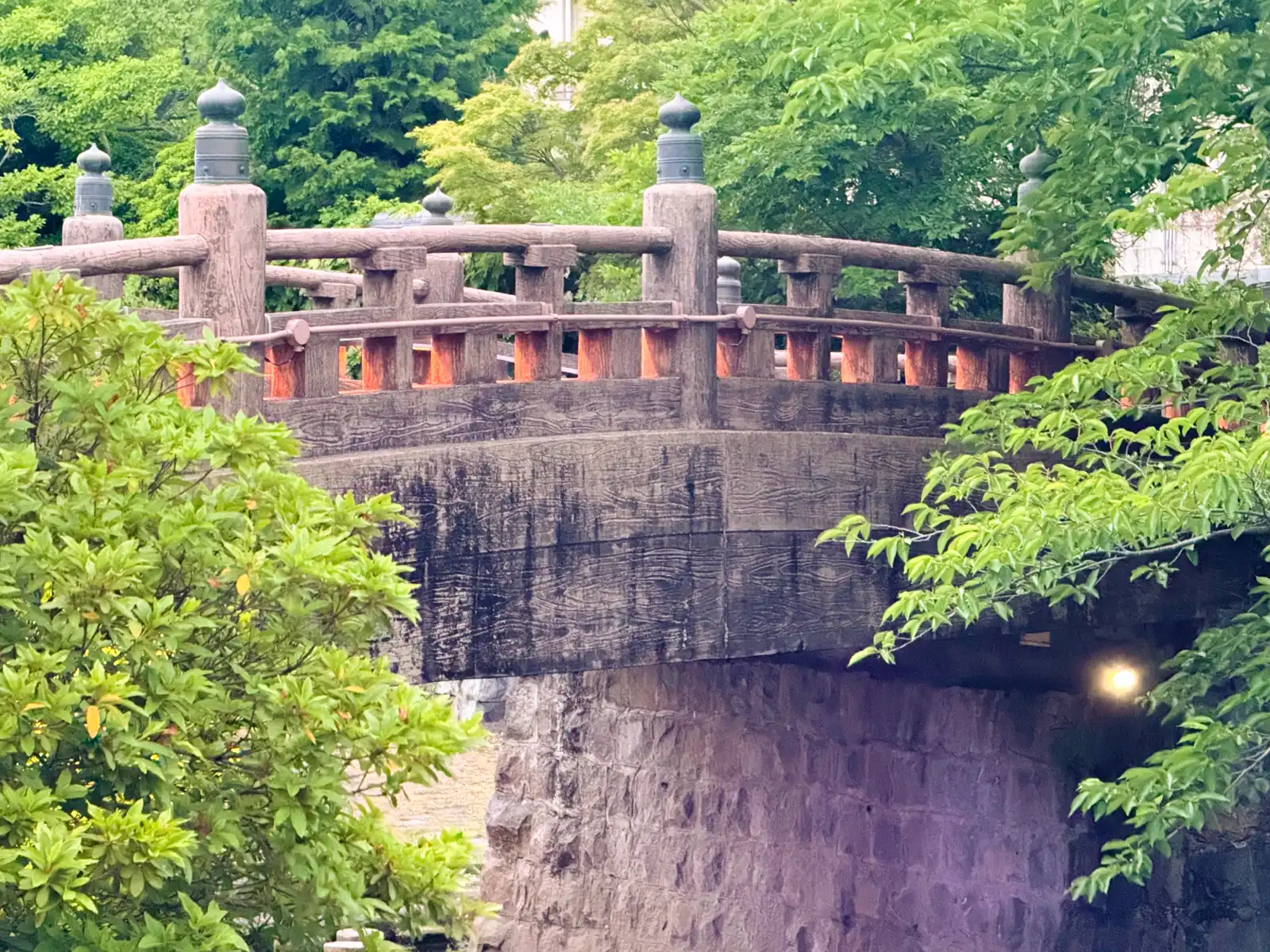
One of the canal’s arched bridges, its underside lit, framed by greenery.
緑に囲まれた、堀に架かる反り橋のひとつ。橋の下が灯りに照らされている。
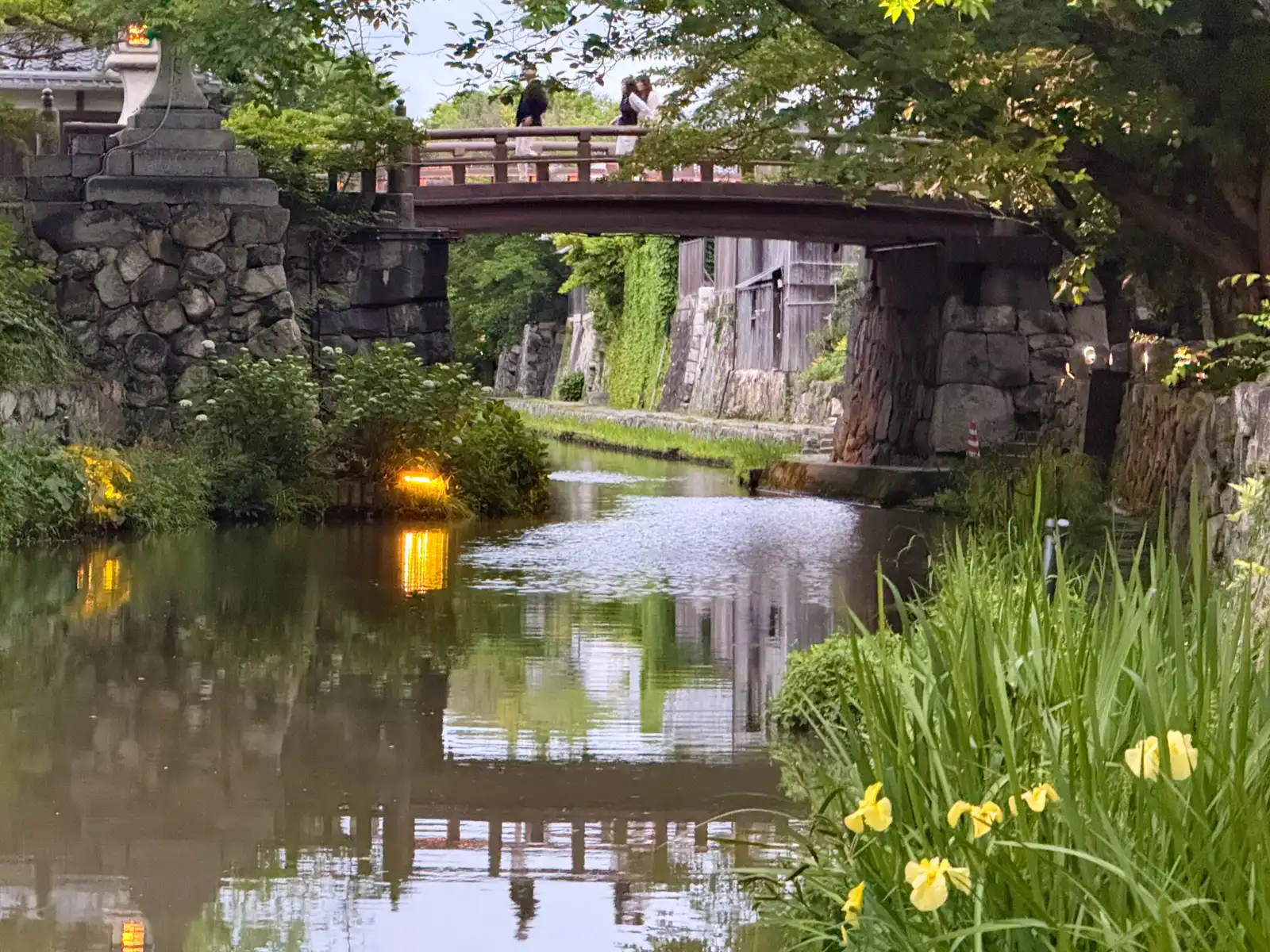
A stone-and-wood bridge over the canal at dusk, irises blooming at the water’s edge.
夕暮れの堀に架かる石と木の橋。水辺には花菖蒲が咲く。
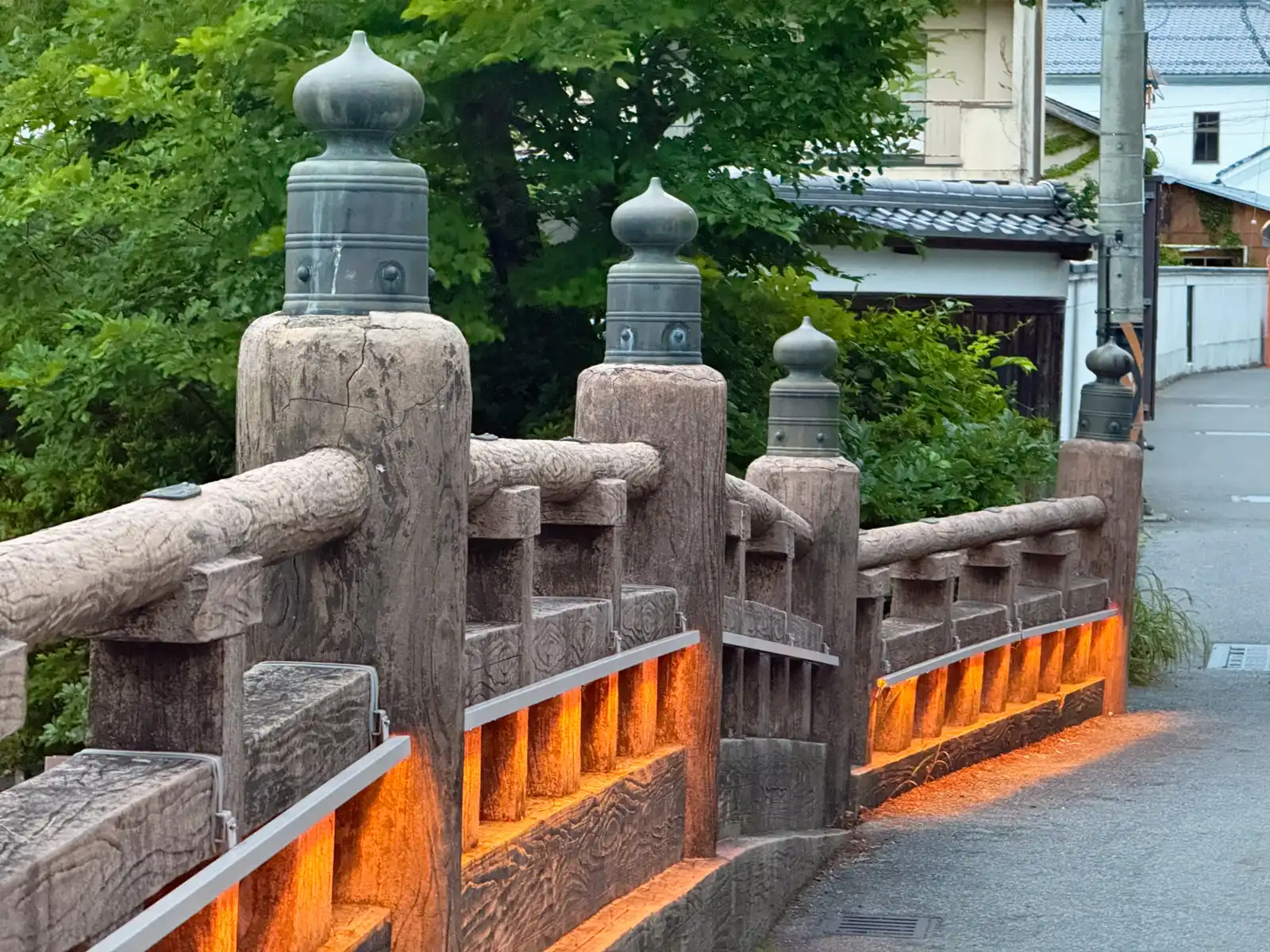
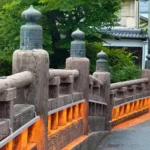
The bronze-capped posts of a canal bridge, lit warm against the evening.
擬宝珠をいただく橋の親柱。夕闇に暖色の灯りが映える。
Hachiman-bori, Omihachiman. The canal was dug in 1585 as the castle moat and later used to move goods to and from Lake Biwa. The buildings along it are former merchant storehouses.
近江八幡の八幡堀。1585年に城の堀として造られ、後に琵琶湖との物資の運搬に使われるようになりました。水路沿いにある建物は、かつての商人の蔵です。